- Understanding Screenshot Software: The Essential Tool for Efficiency
- Exploring the Core Features of Leading Screenshot Software
- Trends in Screenshot Software: What to Expect in 2026
- Best Practices for Maximizing Screenshot Software Efficiency
- Real-World Applications: Case Studies of Successful Teams
Understanding Screenshot Software: The Essential Tool for Efficiency
In the fast-paced digital landscape of 2026, screenshot software has emerged as an indispensable tool for professionals across various industries. Whether you are a developer documenting code processes, a designer sharing visual assets, or an educator creating instructional materials, the ability to capture and annotate visual information efficiently is crucial. This article delves into the importance of screenshot software, exploring its core features, trends shaping the industry, best practices for maximizing its effectiveness, and real-world applications that highlight its value. When exploring options, 截图软件 provides comprehensive insights into the best tools available today.
What is Screenshot Software?
Screenshot software is a specialized application designed to capture images of computer screens. These tools allow users to take static images or record video sequences, enabling them to document visual content with ease. In an age where communication is increasingly visual, screenshot software serves as a bridge for sharing information in a clearer, more direct manner. Modern versions of this software offer advanced features that go beyond simple image capture, making them integral to daily workflows.
Why Does Every Developer Need Screenshot Software?
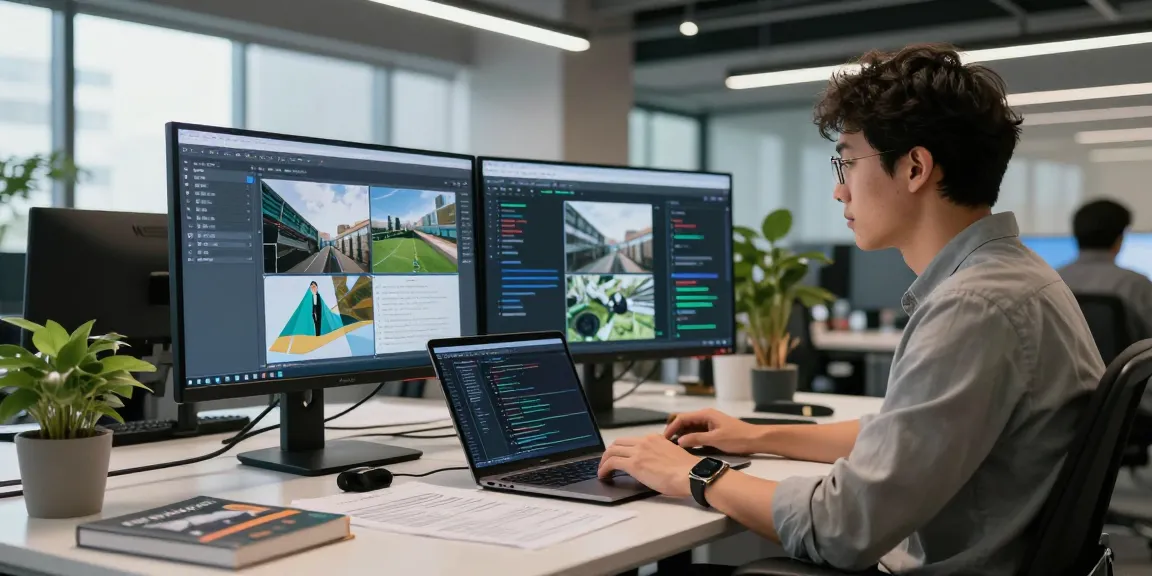
For developers, the need for efficient communication is paramount. Screenshot software allows them to document code behavior, highlight bugs, and provide visual feedback to team members effectively. By integrating screenshots within project management tools, developers can create a visual context for their comments, leading to a deeper understanding and quicker resolutions. Moreover, screenshots can also enhance documentation processes, making it easier to illustrate complex ideas to both technical and non-technical stakeholders.
The Role of Screenshot Software in Modern Workflows
As remote work and collaboration become the norm, screenshot software plays a critical role in maintaining productivity and effective communication. Tools that facilitate quick sharing of visual information help teams stay aligned, reducing the back-and-forth that can lead to misunderstandings. When used alongside project management platforms, these tools enhance collaborative efforts, allowing team members to annotate directly on screenshots, thereby streamlining the feedback process.
Exploring the Core Features of Leading Screenshot Software
Efficient Annotation Tools for Enhanced Communication
One of the standout features of advanced screenshot software is its array of annotation tools. Users can markup images with arrows, text, shapes, and highlights, making it easier to direct attention to specific areas. This feature is invaluable in a collaborative environment where clarity is key. By providing context to screenshots, these tools ensure that all team members are on the same page, drastically reducing the chances of miscommunication.
Advanced OCR Capabilities: Transforming Text Recognition
Optical Character Recognition (OCR) is a transformative feature offered by many modern screenshot tools. This capability allows users to extract text from images, converting it into editable and searchable formats. This is particularly advantageous for professionals who frequently deal with documents or designs containing text. By eliminating the need for manual transcription, OCR enhances productivity and ensures that essential information is readily accessible.
Multi-Platform Support: Why It Matters for Teams
In today’s diverse digital ecosystem, the ability to operate across multiple platforms is crucial for screenshot software. Leading applications support Windows, macOS, and Linux, ensuring that teams can work seamlessly regardless of their operating system. This multi-platform compatibility provides flexibility, allowing users to capture and share visual content without worrying about software restrictions. Additionally, this capability supports collaborative efforts among teams using different devices.
Trends in Screenshot Software: What to Expect in 2026
Integration with AI: The Future of Automated Features
The future of screenshot software is likely to be heavily influenced by artificial intelligence (AI). Upcoming features may include automated tagging and organization of screenshots based on content recognition, significantly reducing the time spent managing visual assets. AI could also enhance annotation capabilities, suggesting relevant notes or insights based on the captured content. This level of automation promises to streamline workflows further and improve user experience.
Cloud Synchronization: A Game Changer for Collaboration
As teams continue to adopt cloud-based solutions, screenshot software with built-in cloud synchronization features will become increasingly popular. This functionality allows users to store, share, and access their screenshots from anywhere, promoting better collaboration and faster decision-making. With the ability to refer back to previous screenshots easily, teams can maintain a comprehensive visual record that enhances their workflow.
Mobile Accessibility: The Rise of On-the-Go Solutions
The demand for mobile-friendly screenshot solutions is on the rise. As remote work and mobile computing proliferate, professionals are looking for flexible tools that can perform effectively on smartphones and tablets. Future iterations of screenshot software will likely emphasize mobile usability, enabling users to capture and annotate images directly from their devices. This shift could empower professionals to remain productive while on the move, further integrating screenshot solutions into everyday tasks.
Best Practices for Maximizing Screenshot Software Efficiency
Tips for Effective Annotation and Markup
To make the most out of screenshot software, users should familiarize themselves with the available annotation tools. Utilize contrasting colors for text and shapes to ensure visibility, and keep annotations concise but informative. A clutter-free screenshot with clear annotations enhances understanding and minimizes confusion, particularly in team settings. Regularly review and adapt your annotation style based on team feedback to ensure continued clarity.
Streamlining Team Collaboration Using Screenshot Software
To maximize collaboration, integrate screenshot software with existing communication platforms. Share screenshots directly within team chats or project management tools for immediate feedback. Encourage team members to annotate screenshots prior to discussions, ensuring that all participants are prepared with the visual context needed. Establishing a standard protocol for screenshot use can also help streamline processes, making it easier for team members to know when and how to share visual information.
Utilizing Keyboard Shortcuts for Speed and Efficiency
Most screenshot software includes customizable keyboard shortcuts that can significantly speed up workflows. Learn and implement these shortcuts to reduce the time spent capturing and annotating images. By ingraining these shortcuts into daily routines, users can enhance their efficiency and minimize interruptions to their workflow, allowing for a more productive working environment.
Real-World Applications: Case Studies of Successful Teams
How Tech Companies are Leveraging Screenshot Software
Tech companies have embraced screenshot software as a vital tool for enhancing productivity and improving communication. For instance, a leading software development firm implemented a screenshot tool that integrated OCR and annotation features. This allowed developers to quickly document bugs and share feedback with their team. As a result, the turnaround time for fixes decreased significantly, leading to a more agile development process.
Education Sector: Enhancing Learning Through Visual Tools
In educational settings, screenshot software is proving to be a game changer. Educators use these tools to create visual aids that illustrate complex topics, making them easier for students to grasp. Furthermore, by allowing students to capture their work and share it with peers, screenshot software fosters collaboration and active engagement in learning processes.
Freelancers and Remote Workers: Maximizing Productivity
Freelancers and remote workers stand to gain immensely from the use of screenshot software. By enabling quick visual documentation of tasks, these tools help freelancers keep clients informed and engaged. Additionally, the ability to capture and annotate images enhances communication with clients, leading to better project outcomes and higher satisfaction rates.
What are the advantages of using screenshot software?
Screenshot software enhances efficiency by allowing users to capture, annotate, and share visual information quickly. This leads to improved communication and collaboration, crucial in today’s remote working environments.
How does OCR work in screenshot software?
OCR technology in screenshot software analyzes images to identify and extract text, converting it into editable formats. This functionality saves time and reduces manual data entry, making it easier to utilize text from visual sources.
Can screenshot software improve team collaboration?
Absolutely! By enabling teams to share visual documentation efficiently, screenshot software fosters clearer communication and quicker resolutions to issues, enhancing overall collaboration.
What features should I look for in screenshot software?
Key features to consider include annotation tools, OCR capabilities, multi-platform support, and integration with collaboration tools to maximize efficiency and usability.
Are there any free screenshot software options available?
Yes, many effective screenshot applications offer free versions with core functionalities. These options are suitable for individuals and small teams looking to improve their workflow without a financial commitment.