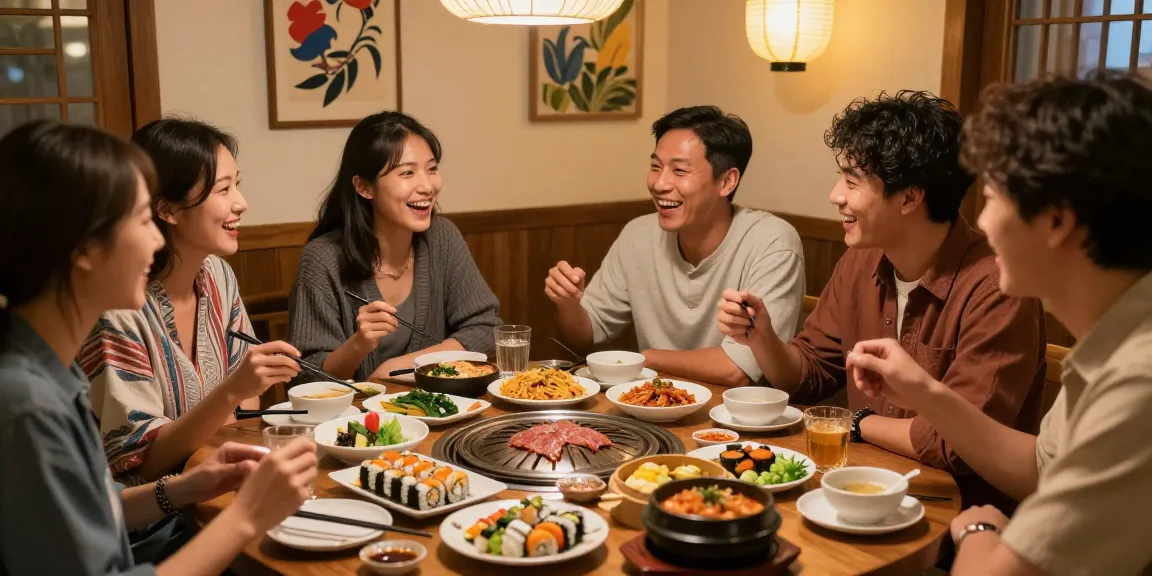
Understanding Cultural Engagement Through Food
Food serves as a powerful mechanism for cultural exchange, bridging distances between diverse communities and fostering connections among individuals. In recent years, there has been an increased interest in Asian cuisine, particularly among Spanish-speaking audiences. https://hanadultalk.com embraces this trend by offering readers insights into the culinary richness of Asia, presented in a language that resonates with them. This article will explore how Asian cuisine contributes to cultural identity, the role of food in connecting cultures, and the popularity of specific dishes among the Hispanic community.
The Importance of Asian Cuisine in Cultural Identity
Cuisine forms a crucial aspect of any culture, reflecting its history, geography, and social practices. Asian food embodies a rich tapestry of flavors and traditions. For many individuals, indulging in Asian dishes is not merely a gastronomic experience but a journey into the heart of Asian culture. Dishes like sushi, ramen, and dim sum not only satisfy hunger but also carry stories of tradition and heritage that help individuals connect with their roots.
In the Hispanic community, the appreciation for Asian cuisine has been growing steadily. This trend signifies a broader acceptance of diverse cultural expressions, encouraging an understanding of others’ traditions. Those who explore culinary avenues can find a sense of belonging, as the sharing of food often leads to a deeper appreciation of cultural diversity.
Connecting Cultures: Food as a Bridge
As globalization continues to influence our daily lives, food has emerged as a prominent medium for cross-cultural engagement. The excitement surrounding Asian food has reached fervent levels, with fusion cuisines popping up in urban landscapes. Restaurants that feature innovative combinations of Asian and Latin American flavors have not only gained popularity but have also sparked conversations about cultural identity and globalization.
Food festivals and events that celebrate Asian culinary traditions encourage community participation and facilitate cultural exchange. By bringing together diverse cultural practices, such events create platforms for dialogue, where individuals can learn from one another and appreciate the beauty of culinary diversity.
Trending Asian Dishes for the Hispanic Community
The Hispanic community’s fascination with Asian cuisine has led to an increased demand for popular dishes. Some trending favorites include:
- Banh Mi: A Vietnamese sandwich that combines a variety of ingredients, offering a unique blend of flavors and textures.
- Ramen: A Japanese noodle soup that has become a staple in many urban cities, enjoyed for its warmth and hearty flavors.
- Sushi: The artistic preparation of sushi has captivated many, showcasing the elegance of Japanese cuisine.
- Dim Sum: Small plates of delectable dishes that encourage sharing, fostering a communal dining experience.
These dishes not only satisfy culinary cravings but also serve as gateways to exploring Asian culture, encouraging curiosity and learning.
The Role of Language in Cultural Exchange
Language is a pivotal component of cultural exchange, as it acts as a vessel for conveying ideas, emotions, and traditions. When Spanish-speaking audiences engage with Asian culture, whether through food or entertainment, the role of language becomes even more critical. Understanding cultural nuances requires not only language proficiency but also an appreciation of context. This is where platforms like https://hanadultalk.com play a transformative role, as they bridge these linguistic gaps through tailored content.
Breaking Language Barriers: Learning Through Content
For Spanish speakers eager to learn more about Asian cultures, accessing content in their native language is essential. By offering articles, videos, and educational resources in Spanish, platforms that cater to this demographic facilitate language acquisition while promoting cultural understanding. Engaging content that addresses cultural topics in a relatable language can stimulate interest and motivate learners to explore further.
Spanish Translations of Asian Culture
Translating the essence of Asian culture into Spanish requires more than just converting words. It involves capturing the emotional depth, humor, and cultural significance behind expressions. This need has led to the emergence of specialized translators and content creators who focus on ensuring that the richness of Asian narratives is conveyed correctly and meaningfully to Spanish speakers.
Building Bilingual Communities: The Impact of Language
The intersection of language and culture plays a crucial role in building bilingual communities. As individuals consume content in both Spanish and languages like Korean, Japanese, or Mandarin, they foster a mutual respect for different cultures. This bilingual engagement enhances cultural appreciation and creates a dynamic, diverse community where individuals feel empowered to share their stories.
Content Creation Strategies for Cultural Platforms
Creating engaging content for diverse audiences requires thoughtful planning and execution. Cultural platforms must consider their audience’s preferences and cultural backgrounds to produce content that resonates deeply. This section will explore effective storytelling techniques, strategies for engaging diverse audiences, and the role of social media in promoting cultural narratives.
Creating Engaging Content for Diverse Audiences
Cultural platforms should prioritize inclusivity and relatability in their content creation strategies. This involves understanding the cultural backgrounds of their target audience and crafting narratives that reflect their experiences. By utilizing storytelling techniques that engage emotions and highlight shared values, platforms can cultivate a sense of community among readers.
Effective Storytelling Techniques for Cultural Narratives
Strong storytelling can transform cultural content from mere information into compelling narratives that captivate audiences. Utilizing relatable characters, vivid descriptions, and cultural references can help convey the richness of Asian cultures to Spanish-speaking audiences. Additionally, incorporating personal anecdotes and testimonials can enhance relatability and foster emotional connections.
Utilizing Social Media to Enhance Cultural Connection
Social media serves as a powerful tool for cultural exchange and engagement. Platforms like Instagram, Facebook, and Twitter allow cultural narratives to reach a wider audience while enabling real-time conversations. By sharing compelling visuals, stories, and interactive content, cultural platforms can encourage dialogue and foster connections among audiences that transcend geographical boundaries.
Challenges in Sharing Asian Culture with Spanish Speakers
Despite the growing interest in Asian culture among Spanish speakers, several challenges persist in sharing and engaging with this content. This section will explore common obstacles in cultural representation and the importance of addressing these challenges to promote diversity and understanding.
Overcoming Stereotypes in Cultural Representation
Stereotypes often cloud perceptions of other cultures, leading to misunderstandings and misrepresentation. It is crucial for cultural platforms to challenge these stereotypes actively. By highlighting the diversity and complexity of Asian cultures, platforms can present a more nuanced view that encourages readers to look beyond simplistic portrayals.
Addressing Misunderstandings in Cultural Context
Cultural misinterpretations can arise when individuals unfamiliar with a culture engage with it superficially. Providing context to cultural references, practices, and traditions is essential in creating informed discussions. Educational resources that accompany cultural content can guide readers toward understanding the deeper significance behind certain practices, thus enriching their engagement.
Promoting Diversity in Cultural Content
To create a truly inclusive cultural space, it is crucial to promote diversity in storytelling and representation. Ensuring that a variety of voices from within Asian communities are heard can enrich the content offered to Spanish-speaking audiences. Platforms should strive to include narratives from various perspectives, highlighting the unique experiences that each culture contributes to the broader narrative.
Future Trends in Cultural Content Consumption
As we look toward 2026 and beyond, the landscape of cultural content consumption will continue to evolve. Emerging platforms, innovative approaches to cultural education, and the potential for cross-cultural engagement through various media formats will shape how audiences connect with Asian cultures.
Emerging Platforms for Cultural Interaction in 2026
The rise of new technologies and platforms will facilitate unprecedented opportunities for cultural interaction. Virtual reality experiences that immerse users in authentic cultural settings, as well as augmented reality in culinary experiences, could provide immersive avenues to explore Asian cultures.
Innovative Approaches to Cultural Education
Education will play a central role in shaping our understanding of cultural diversity. Initiatives that focus on collaborative learning experiences, such as bilingual cultural workshops or cooking classes that merge culinary traditions, will enable communities to engage with cultural content more profoundly.
Predictions for Cross-Cultural Engagement Through Media
Cross-cultural engagement will likely become more commonplace as media platforms evolve. With advancements in technology, audiences will have access to culturally rich content tailored to their specific interests. We can anticipate a rise in interactive media formats that encourage audience participation, such as virtual events, online discussions, and interactive storytelling experiences.
What Makes https://hanadultalk.com Unique?
The unique proposition of https://hanadultalk.com lies in its commitment to bridging cultural gaps through engaging content tailored for Spanish-speaking audiences interested in Asian cultures. By offering a rich variety of topics, from food to lifestyle trends, the platform serves as a valuable resource for individuals seeking to explore and appreciate Asian cultural narratives in their native language.
Can Cultural Content Influence Language Learning?
Yes, engaging with cultural content can significantly influence language learning. When learners consume content related to their interests—such as Asian movies, culinary shows, or music—they naturally enhance their language skills while developing cultural knowledge. This immersive approach fosters deeper connections with the language, making learning more enjoyable and effective.
How Can Community Feedback Shape Content?
Community feedback is invaluable for shaping cultural content. By actively soliciting input from audiences, platforms can gain insights into their interests and preferences, allowing for the creation of content that resonates deeply. Engaging with audiences through surveys, social media discussions, and feedback forms not only strengthens community ties but also enriches the content ecosystem.


