Understanding Diesel Gensets: Definition and Components
Diesel gensets, or diesel generator sets, play a crucial role in providing reliable electrical power across various industries. These robust machines combine a diesel engine with an electric generator to produce electricity, making them ideal for use in environments where the availability of power is intermittent or non-existent. As the demand for uninterrupted power supply continues to grow in sectors such as telecommunications, construction, and manufacturing, understanding the fundamentals of diesel gensets becomes increasingly important. When exploring options, diesel genset solutions offer customizable power generation to meet specific operational needs.
What is a Diesel Genset?
A diesel genset is a self-contained unit that combines a diesel engine, generator (alternator), fuel system, and control panel to produce electrical energy. Due to their efficient fuel consumption and robust design, diesel generators have become the industry standard for many applications, particularly in situations requiring a steady and reliable power supply.
Key Components of Diesel Gensets
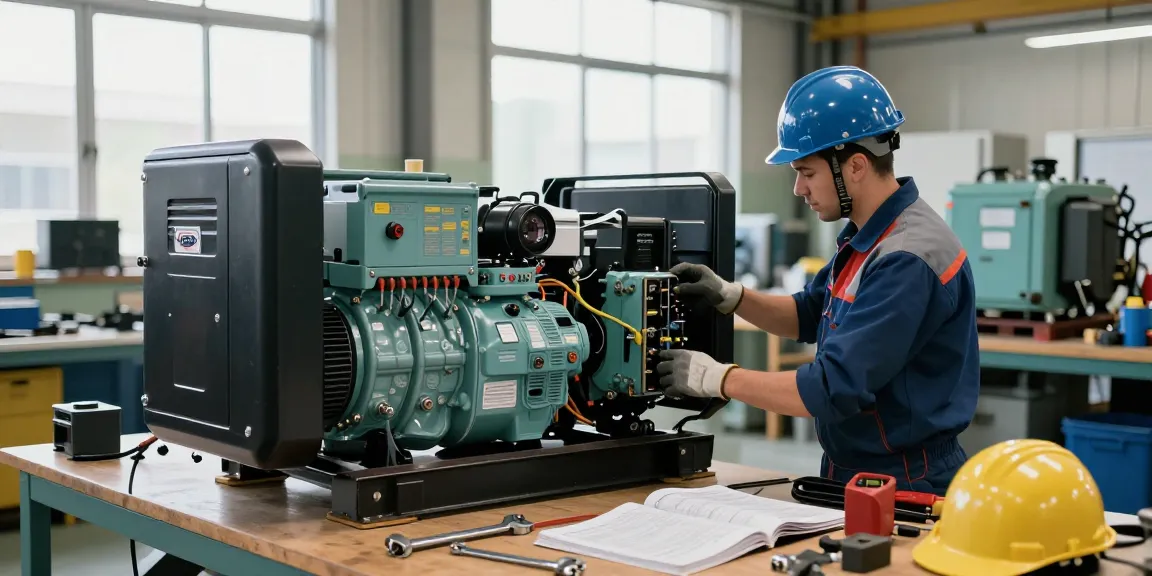
Understanding a diesel genset's components is essential for optimal performance and maintenance. Key components include:
- Diesel Engine: This is the heart of the genset, providing the mechanical power needed to produce electricity. Diesel engines are preferred for their fuel efficiency and durability.
- Alternator: Converts mechanical energy from the engine into electrical energy through electromagnetic induction.
- Control Panel: Manages the operation of the genset, including start/stop functions, voltage regulation, and monitoring of performance metrics.
- Cooling System: Maintains optimal operating temperatures for both the engine and the alternator to ensure efficiency and longevity.
- Fuel System: Stores and supplies diesel fuel to the engine, ensuring that it operates effectively and consistently.
How Diesel Gensets Work
The operation of a diesel genset involves several processes. Initially, the diesel engine ignites the fuel-air mixture, causing combustion. This process generates mechanical energy, which the alternator then transforms into electrical energy. The electrical output is further regulated by the control panel to ensure a stable voltage and frequency before being distributed to the connected load. The comprehensive design of diesel gensets enables them to deliver power efficiently, catering to varied applications from industrial to residential needs.
Benefits of Diesel Gensets in Various Applications
Diesel gensets are known for their versatility and reliability, making them suitable for various applications. Their robustness allows them to perform well in harsh environments, while their high fuel efficiency contributes to lower operational costs.
Industrial Use Cases for Diesel Gensets
In the industrial sector, diesel gensets are indispensable, serving as primary power sources where grid connections are unreliable. Common use cases include:
- Construction Sites: Providing power for heavy machinery, lighting, and tools.
- Mining Operations: Ensuring continuous power for equipment in remote locations.
- Manufacturing Facilities: Supporting production lines and machinery during grid outages to minimize downtime.
Residential Applications of Diesel Gensets
While often associated with industrial use, diesel gensets also serve residential needs effectively. Homeowners utilize diesel generators for:
- Backup Power: Protecting against power outages in emergencies.
- Remote Properties: Supplying electricity where grid access is limited or unavailable.
Comparative Analysis: Diesel Gensets vs. Other Power Sources
When comparing diesel gensets to other power sources, several factors come into play:
- Fuel Efficiency: Diesel engines generally offer better fuel efficiency compared to gasoline generators, leading to lower operational costs.
- Durability: Diesel gensets typically have a longer lifespan and require less maintenance than their gas counterparts.
- Power Output: Diesel generators can handle larger loads, making them ideal for industrial applications.
- Environmental Impact: Although diesel engines are less clean than electric alternatives, advancements in technology are working towards reducing emissions.
Choosing the Right Diesel Genset for Your Needs
Selecting the right diesel genset involves careful consideration of various factors to ensure optimal performance and reliability for your specific application.
Factors to Consider When Selecting a Diesel Genset
When shopping for a diesel genset, consider the following:
- Power Requirements: Determine the total wattage needed to run your equipment to avoid under-sizing or over-sizing the generator.
- Fuel Type and Availability: Assess the availability of diesel fuel in your region and your consumption patterns.
- Noise Levels: Consider residential noise regulations if the genset will be used near populated areas.
- Mobility Needs: For construction or remote applications, a portable solution may be necessary.
Common Mistakes to Avoid in Diesel Genset Selection
To ensure you choose the right diesel genset, avoid these common pitfalls:
- Neglecting Power Calculations: Always calculate the total power requirements to avoid inadequate performance.
- Overlooking Maintenance Considerations: Factor in maintenance needs and costs when selecting your genset.
- Ignoring Environmental Regulations: Be aware of local emissions regulations to ensure compliance.
Expert Tips for Optimal Performance
To get the most from your diesel genset, consider these expert tips:
- Regular Maintenance: Schedule routine checks to ensure your genset operates efficiently.
- Load Testing: Perform regular load tests to confirm that your generator can handle the necessary power output.
- Fuel Quality Management: Use high-quality diesel fuel to prevent engine issues.
Maintenance Best Practices for Diesel Gensets
Proper maintenance is essential to extend the lifespan and performance of your diesel genset. Follow these best practices to ensure reliability.
Routine Maintenance Procedures
Regular maintenance tasks include:
- Oil Changes: Change the engine oil according to the manufacturer’s recommendations to keep the engine lubricated and functioning smoothly.
- Filter Replacements: Replace fuel, air, and oil filters regularly to maintain engine efficiency.
- Battery Maintenance: Check the condition and charge of the battery frequently to avoid starting issues.
Signs Your Diesel Genset Needs Attention
Be vigilant for these warning signs that indicate maintenance is required:
- Unusual Noises: Listen for any grinding, knocking, or high-pitched sounds that could signal a problem.
- Difficulty Starting: If the genset struggles to start, it may require a battery check or servicing.
- Unusual Exhaust Colors: Blue or black smoke could indicate incomplete combustion or oil leaks.
Upgrading and Modifying Your Diesel Genset
As power needs evolve, it may be necessary to upgrade or modify your diesel genset. Consider the following:
- Adding Additional Outlets: Enhance functionality by installing more outlets for diverse equipment.
- Upgrading Controls: Modernize the control panel for improved monitoring and operation efficiency.
- Improving Fuel Efficiency: Explore options for more efficient fuel systems or modifications to optimize performance.
Future of Diesel Gensets: Trends and Innovations for 2026
The landscape of diesel gensets is continually evolving, with technological advancements poised to enhance performance and reduce environmental impact.
Emerging Technologies in Diesel Genset Design
In the coming years, expect to see several innovations, including:
- Hybrid Systems: Combining diesel generators with renewable energy sources to enhance sustainability.
- IoT Integration: Utilizing the Internet of Things (IoT) for real-time monitoring and predictive maintenance.
- Advanced Engine Designs: Innovations in engine technology aimed at reducing emissions and improving fuel efficiency.
Environmental Considerations and Regulations
As global focus shifts towards sustainability, diesel gensets will need to comply with stricter environmental regulations. Manufacturers are increasingly developing solutions aimed at reducing emissions, including:
- Better Emission Controls: Advanced filtration systems to minimize harmful exhaust outputs.
- Bio-Diesel Compatibility: Designing engines that can operate efficiently using bio-diesel fuels.
Predictions for Diesel Genset Market in 2026
The diesel genset market is expected to grow significantly by 2026, driven by the rising demand for reliable power solutions across various sectors. Key predictions include:
- Increased Demand: Growth in sectors such as telecommunications, healthcare, and data centers will boost genset sales.
- Technological Advancements: Continued innovation in design and fuels will pave the way for more efficient and cleaner diesel generators.
- Market Expansion: Emerging markets will drive growth as industries adopt diesel gensets for reliable power solutions.
What is a diesel genset?
A diesel genset is a combination of a diesel engine and an electric generator, used to produce electrical energy for various applications. Its reliability makes it a preferred choice for many sectors.
How long do diesel gensets last?
With proper maintenance, diesel gensets can last anywhere from 10,000 to 30,000 hours, depending on usage and operational conditions.
What are the maintenance requirements for diesel gensets?
Maintenance requirements include regular oil changes, filter replacements, and routine inspections of critical components to ensure effective operation.
Are diesel gensets environmentally friendly?
While diesel gensets traditionally emit more pollutants, advancements in technology are reducing emissions and improving fuel efficiency, making them increasingly environmentally viable.
How to properly size a diesel genset for my application?
To properly size a diesel genset, calculate the total wattage of all devices you intend to power and add a margin for future expansion to ensure adequate performance.. Additionally, Diesel generators provides further details.