Understanding the Celebrity Look-Alike Phenomenon
The fascination with celebrity look-alikes is more than just a passing trend; it’s a cultural phenomenon that bridges personal identity and popular culture. People have always sought connections with celebrities, often aspiring to resemble them in looks or lifestyle. However, with the advent of advanced technology, particularly in artificial intelligence (AI), this quest has become more accessible than ever, allowing individuals to discover their closest celebrity doppelgängers through various platforms. One such platform is celebrity i look like, which leverages AI to analyze facial features and provide matches instantly.
What is the celebrity i look like technology?
The celebrity look-alike technology primarily involves sophisticated algorithms designed for facial recognition. These algorithms analyze unique facial features, such as the shape of the jaw, the distance between the eyes, and skin tone, to compare an individual's face against a vast database of celebrity photos. The technology utilizes machine learning models that continuously improve with more data, enhancing the accuracy of matches.
Historical context and rise in popularity
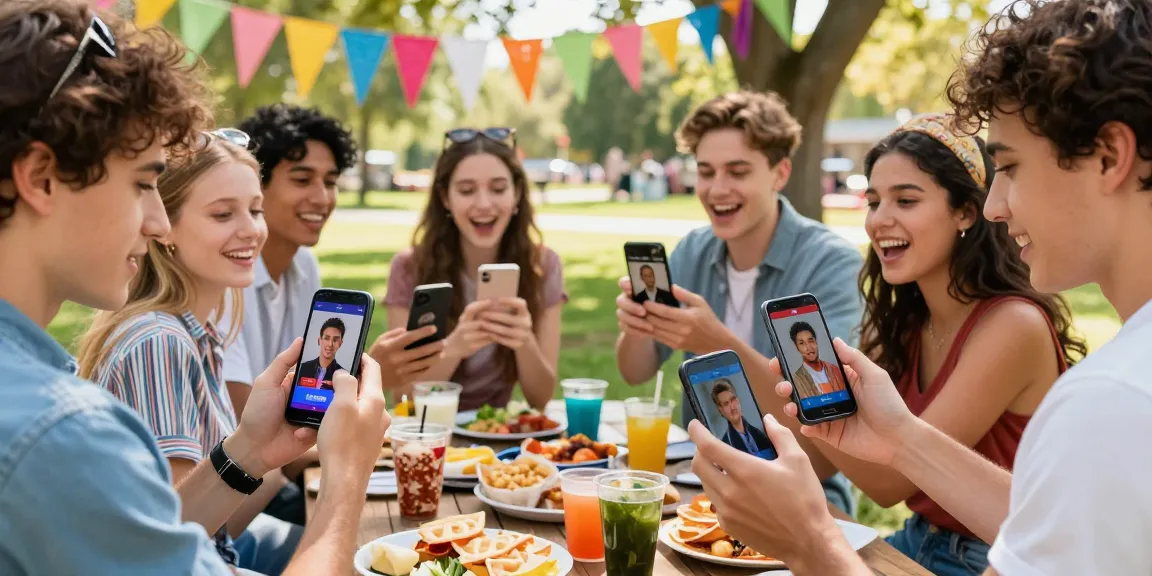
The concept of finding one’s look-alike isn't new; it has been a part of popular culture for decades. However, the rise of social media has significantly propelled this trend. Platforms like Instagram and TikTok have enabled users to share their results, creating viral moments that further inspire others to participate. The integration of AI makes the experience immediate and engaging, turning a casual curiosity into an interactive exploration of identity.
Impact on social media and personal branding
In the age of personal branding, knowing you resemble a certain celebrity can enhance one's self-image and influence online presence. Influencers often use their celebrity matches to create relatable content and drive engagement. This phenomenon not only boosts individual confidence but also fosters a community where people share and celebrate their unique likenesses to renowned figures.
How the Celebrity Look-Alike Finder Works
The technology behind AI face recognition
AI face recognition technology is built upon complex neural networks that assess facial patterns. During the matching process, these systems dissect and compare thousands of facial attributes, assigning similarity scores based on how closely an individual’s features align with those of celebrities. This analysis can be completed in a matter of seconds, allowing for a seamless user experience.
Step-by-step process to find your look-alike
- Upload or Snap a Photo: Users can upload an existing photo or take a new selfie directly through the platform.
- AI Analysis: The AI processes the image, detecting facial features and comparing them against a vast database of celebrity images.
- View Results: The system displays the top ten celebrity look-alikes along with similarity scores, showing which celebrities users resemble the most.
Interpreting similarity scores and results
Each match is accompanied by a similarity score, typically expressed as a percentage. This score indicates how closely the user's features match those of the celebrity. A higher score denotes a stronger resemblance. However, it’s important to note that these results can be subjective and should be viewed with a sense of fun rather than absolute accuracy.
Accuracy and Limitations of Celebrity Look-Alike Searches
Factors affecting the accuracy of results
Several factors can influence the accuracy of look-alike results. These include the quality of the uploaded photo, lighting conditions, and facial expressions. Clear, well-lit images where the face is unobstructed yield the best results, as any distortions can affect algorithm performance.
Common misconceptions about the results
Many users may expect exact matches or believe that a high similarity score guarantees identical features. It’s crucial to understand that these algorithms are designed to identify general likenesses rather than exact replicas. Variations such as hair color and makeup may also affect outcomes.
How to maximize the accuracy of your photo uploads
- Use high-resolution images taken in natural lighting.
- Ensure your face is clearly visible without obstructions like sunglasses or hats.
- Maintain a neutral facial expression; exaggerated expressions can skew results.
Exploring Case Studies: Users’ Experiences
Success stories from social media influencers
Numerous social media influencers have successfully leveraged their celebrity look-alike results to engage followers. By sharing their matches, they not only increase interaction but also create a relatable persona that resonates with their audience. Some even embark on humor-filled content, pitting their celebrity look-alikes against each other in amusing scenarios.
Creative uses in marketing and promotions
Brands have recognized the potential of celebrity look-alike technology as a marketing tool. Campaigns leveraging this concept often attract attention and encourage user participation. For instance, a beauty brand may run promotions suggesting customers find their look-alike to promote a new product that corresponds to their celebrity twin.
Unexpected surprises and viral moments
Users often experience delightful surprises when they discover their matches. A common trend involves people sharing their results online, which can lead to unexpected viral moments. Sometimes, a result may lead to a deeper exploration of personal identity, prompting discussions about societal beauty standards and relatability in modern media.
Future Trends in Celebrity Look-Alike Technology
Predicted advancements for 2026 and beyond
As AI technology continues to evolve, the accuracy and capabilities of celebrity look-alike finders are expected to improve significantly. Future advancements may include more personalized recommendations, the ability to analyze full-body images, and integration with social media platforms for seamless sharing and engagement.
Potential for integration with augmented reality
Augmented reality (AR) could revolutionize the celebrity look-alike experience. Imagine using AR filters that not only show your look-alike but allow you to see what you might look like dressed as them or even mimicking their signature poses. This fusion of technology could enhance user interaction and entertainment value.
Ethical considerations and privacy concerns
With advancements come ethical challenges. Users may be concerned about how their images are used and stored, leading to discussions about privacy and consent. Platforms must ensure transparency in their data management practices while also providing users with control over their uploads and results.
What kind of photos work best for the celebrity look-alike finder?
To optimize chances of a great match, users should upload clear, high-quality images taken in good lighting with a full view of the face. Avoiding heavy makeup or filters can also improve the likelihood of a more accurate resemblance.
Is the celebrity look-alike finder service free?
Most platforms, including celebrity i look like, offer their services for free, allowing users to explore their celebrity look-alikes without any cost. Some may include premium features, but basic matching services generally remain accessible at no charge.
How can I protect my privacy when using the app?
To protect privacy, users should read the app’s privacy policy carefully and ensure that personal images are not shared publicly unless desired. Many platforms also provide options to delete uploaded images after the search is complete.
Can I share my results on social media?
Most platforms encourage sharing results on social media, creating a fun way to engage with friends and followers. Users often share their celebrity matches, encouraging others to participate and discover their look-alikes.
What to do if I get unexpected or incorrect matches?
If users encounter unexpected or incorrect matches, they should remember that the technology is not flawless and can result from various factors. Adjusting the quality of the uploaded photo or trying different images may yield different results, allowing for a more accurate match.