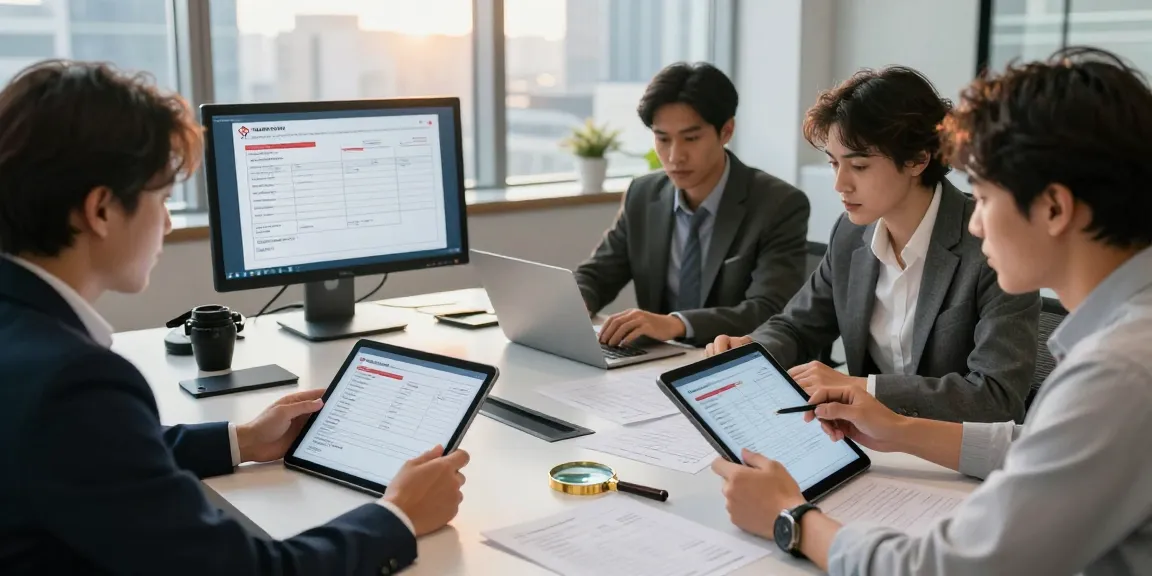
Understanding Fake Invoices
In today's fast-paced business landscape, the threat of invoice fraud looms larger than ever. Companies of all sizes are being targeted by sophisticated fraudsters who create convincing fake invoices that can easily evade detection. Being able to detect fake invoice attempts is crucial to safeguarding your financial integrity. This article delves deep into the world of fake invoices, helping you understand not only what they are but also how to detect them effectively.
What is a Fake Invoice?
A fake invoice is a fraudulent document that mimics legitimate invoices with the intention of stealing money or sensitive information. These invoices often appear to come from known suppliers or service providers, making them harder to spot. They can be delivered via email, mail, or even in person, targeting accounts payable departments that may not be vigilant enough to question their authenticity.
Common Characteristics of Fraudulent Invoices
Identifying fake invoices requires an awareness of their common characteristics. Here are some typical traits:
- Inconsistent Vendor Information: Changes in banking details or company names are a major red flag.
- Poor Quality and Design: Low-quality logos, typographical errors, or unusual formatting can indicate a fraudulent invoice.
- Unusual Payment Requests: Requests for payment methods that differ from the norm, or sudden changes in vendor payment instructions may signal fraud.
- Inflated Costs: Charges that are significantly higher than expected for goods or services can be fraudulent.
The Financial Impact of Invoice Fraud
The repercussions of falling victim to fake invoices can be devastating. Companies can lose thousands, if not millions, of dollars. Beyond immediate financial loss, businesses may also face reputational harm, potential legal actions, and disruptions in operations. Understanding the broader implications of invoice fraud emphasizes the need for proactive measures in detection and prevention.
Techniques to Detect Fake Invoices
Key Signs to Look For
When evaluating an invoice's authenticity, pay attention to the following signs:
- Sequence and Consistency: Check if the invoice number follows a logical sequence with previous invoices from the same vendor.
- Critical Details: Verify dates, amounts, and line item descriptions for discrepancies.
- Communication Patterns: If a vendor suddenly pressures you for payment or communication methods change, investigate further.
Using AI Tools for Detection
Advancements in artificial intelligence have equipped businesses with powerful tools for detecting fake invoices. AI can quickly analyze large volumes of invoices, identifying patterns and anomalies that may indicate fraudulent activity. Utilizing AI technology not only speeds up the detection process but also increases accuracy, allowing human teams to focus on high-risk invoices that require manual review.
Manual Verification Methods
In addition to leveraging technology, companies should adopt manual verification methods as part of their invoice review process. This could involve:
- Cross-Checking Details: Always verify that the vendor information on the invoice matches what is on file.
- Contacting Vendors Directly: If something feels off, reach out to the vendor to confirm the invoice's legitimacy.
- Establishing Payment Protocols: Create a standard process for reviewing and approving invoices before payment.
Red Flags for Businesses
High-Risk Vendor Behaviors
Be wary of vendors who exhibit high-risk behaviors, such as:
- Changing Bank Information: Any request to change payment details should be treated with suspicion.
- Urgency: Pressuring for immediate payment can often be a tactic used by fraudsters.
- Lack of Online Presence: Legitimate vendors typically have a verifiable business presence online with reviews or references.
Invoice Formatting and Language Issues
Scrutinizing the format and language of invoices can reveal false documents. Be alert for:
- Inconsistent Formatting: Professional invoices should have a consistent format. Look for irregularities in logos, fonts, and layout.
- Poor Grammar: Typos and awkward phrasing are common in fraudulent invoices.
Verification Process Best Practices
Implementing best practices in your verification process can greatly reduce the risk of falling victim to fraud:
- Regular Audits: Conduct audits and reviews of your invoicing processes to ensure compliance and spot potential fraud.
- Vendor Training: Educate your team about identifying fake invoices and establish clear reporting procedures.
Real-World Case Studies of Invoice Fraud
Successful Detection Stories
There are numerous instances where companies have successfully prevented fraud through vigilance:
- Case Study 1: A tech company noticed a significant drop in the quality of invoices they received. Upon investigation, they found that a fraudulent entity had been billing them for services never rendered, saving the company thousands of dollars in payments.
- Case Study 2: An organization employed AI technology that flagged a batch of invoices as potentially fraudulent due to matching inconsistencies in vendor names, preventing further payments and alerting the team to review.
Lessons Learned from Failed Attempts
Unfortunately, not all attempts to detect invoice fraud are successful. Failed attempts can provide valuable lessons:
- Neglecting Invoice Verification: One company paid a fraudulent invoice simply because it matched a previous payment's format without further verification.
- Ignoring Vendor Changes: A finance team overlooked a vendor's updated banking details, resulting in significant financial loss.
Trends in Invoice Fraud Cases
As technology evolves, so do the tactics employed by fraudsters. Emerging trends include:
- AI-Generated Invoices: The advancement of generative AI means that fraudsters can create increasingly convincing fake invoices, necessitating stronger detection measures.
- Phishing Scams: Cybercriminals often use phishing emails to obtain sensitive information, which can lead to more sophisticated invoice scams.
Future of Invoice Verification in 2026
Emerging Technologies in Fraud Detection
Looking ahead, the landscape of invoice verification is set to change dramatically with emerging technologies. Companies can expect:
- Enhanced AI Algorithms: More refined machine learning models that continuously learn from new invoice data to improve detection capabilities.
- Blockchain Technology: Blockchain can offer solutions for secure transactions and transparency, significantly reducing the risk of fraudulent activities.
Regulatory Changes Impacting Invoice Practices
As governments become more aware of invoice fraud, regulatory frameworks are likely to evolve. Companies should prepare for:
- Increased Compliance Requirements: More stringent regulations surrounding invoice processing and record-keeping.
- Mandatory Fraud Reporting: Legislation may require businesses to report incidences of fraud, impacting how they manage their accounts payable functions.
Preparing Your Business for the Future
To fortify against future invoice fraud, businesses should:
- Invest in Training: Regular training sessions for staff about emerging fraud tactics and detection methods.
- Update Technology: Implement leading-edge software that incorporates AI and machine learning for more robust fraud detection.
What are the key signs of a fake invoice?
Key signs of a fake invoice include mismatched vendor information, poor formatting, and unusual payment requests. Always verify invoice details against records.
How can AI assist in detecting fraudulent invoices?
AI can analyze vast amounts of data quickly, identifying patterns and anomalies that may indicate fraud, thus enhancing overall detection accuracy.
What steps should I take if I suspect an invoice is fake?
Contact the vendor directly, verify the details against your records, and implement your company's fraud reporting processes.
What technologies are emerging for invoice verification?
Emerging technologies such as advanced AI models and blockchain solutions are being developed to enhance invoice validation processes and ensure transactional security.
How can I protect my business from invoice fraud?
Establish strict verification procedures, educate your team about fraud signs, and invest in advanced technology for invoice processing and detection.