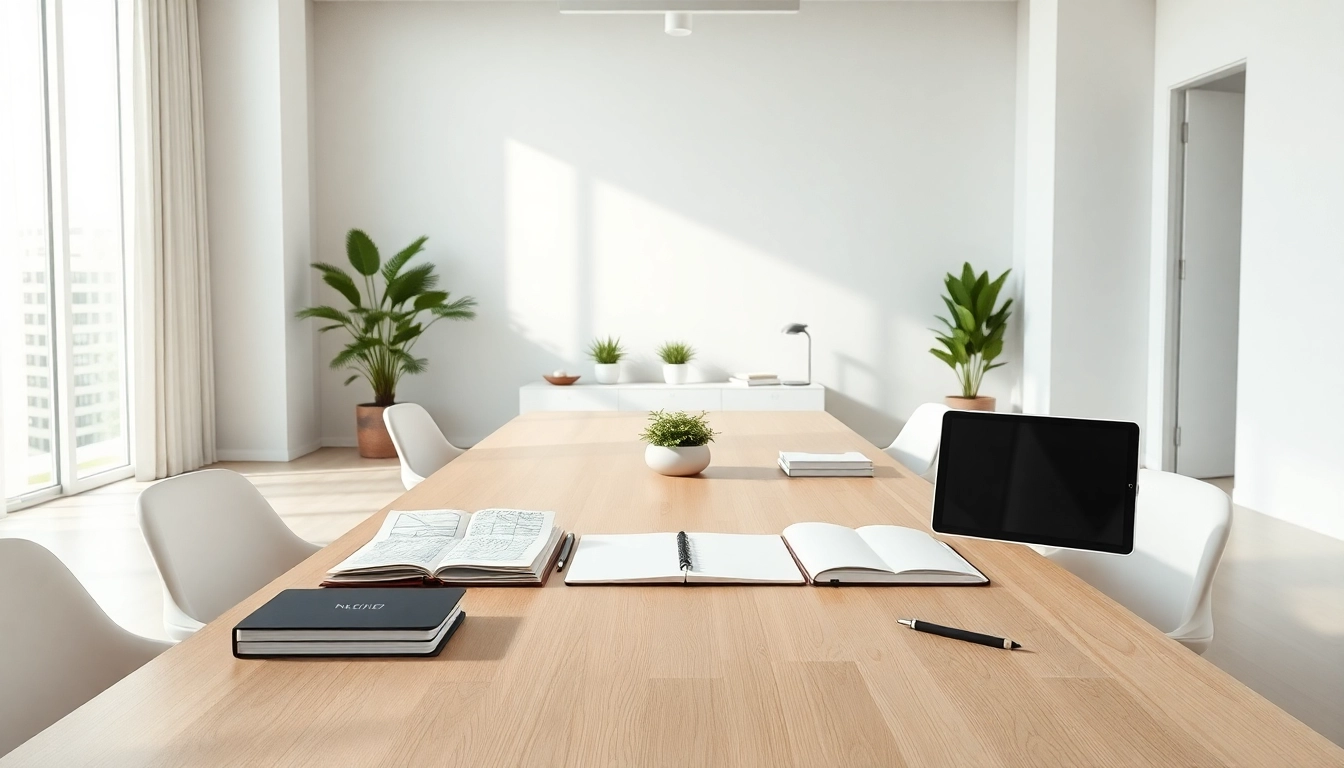
Understanding the World of Design
In a rapidly evolving world, the importance of design cannot be overstated. It extends far beyond aesthetics, influencing how we interact with our surroundings, products, and even technology. This multifaceted discipline plays a crucial role in shaping experiences that resonate with users on various levels. For designers, recognizing the potency of their craft is essential. When looking for insights and effective practices, resources like https://bestdesignersintheworld.com/ serve as invaluable guides.
The Importance of Design in Today's Society
Design permeates nearly every aspect of our daily lives, from the built environment to the digital interfaces we navigate. It shapes our interactions, establishes brand identities, and can even influence our emotions and decisions. In a world inundated with choices, effective design can create distinct value propositions that make services or products stand out. Designers find themselves at the forefront of social change, employing their skills to promote sustainability, inclusivity, and meaningful engagement.
Key Elements of Effective Design
To create impactful designs, several elements must be taken into account:
- Functionality: The design must serve a specific purpose, solving problems or meeting user needs effectively.
- Aesthetics: A visually appealing design captivates audiences, encourages engagement, and creates emotional connections.
- Cohesion: Consistency in design elements—such as colors, fonts, and layouts—helps establish a recognizable brand identity.
- User Experience: Prioritizing the user's journey in the interaction with a product or service increases satisfaction and loyalty.
Common Design Mistakes to Avoid
Even seasoned designers can fall prey to common pitfalls. To mitigate these, consider the following:
- Ignoring User Feedback: Overlooking user insights can lead to designs that do not meet the intended needs.
- Overcomplicating the Design: Keeping designs simple often improves usability and accessibility.
- Being Inconsistent: Inconsistencies in visual elements can confuse users and diminish brand perception.
- Neglecting Mobile Optimization: With the rise of mobile usage, ensuring designs are responsive is critical.
Building a Strong Portfolio with https://bestdesignersintheworld.com/ Strategies
A portfolio is vital for showcasing your skills and style as a designer. By integrating strategies from recognized resources, you can elevate your portfolio to attract the right clients and opportunities.
What to Include in Your Design Portfolio
Your portfolio should tell a compelling story about your work. Consider including:
- Diverse Projects: Incorporating a variety of design styles and projects showcases your versatility.
- Case Studies: Providing detailed insights into your design process lends credibility and illustrates your problem-solving capabilities.
- Client Testimonials: Positive feedback from clients can reinforce your reliability and effectiveness as a designer.
- Professional Presentation: Attention to detail in the portfolio layout can enhance the overall visual appeal.
Showcasing Your Skills and Style
When presenting your work, it is essential to highlight what makes you unique. Consider the following:
- Unique Approach: Share your design philosophy and approach to creating solutions.
- Personal Projects: Include self-initiated projects that reflect your passions and creativity.
- Visual Storytelling: Use images and narratives to engage viewers emotionally and intellectually.
Using Online Platforms for Visibility
The digital landscape provides myriad opportunities for designers to share their work. Here are effective methods:
- Social Media: Leverage platforms like Instagram and Behance to showcase your creations and connect with fellow artists.
- Networking Sites: Join design communities where you can engage with others and find collaborative opportunities.
- Personal Website: A well-designed website serves as a central hub for your portfolio and a personal brand.
Current Trends in Design
Staying updated with design trends is critical for maintaining relevance in a dynamic field. Here’s an overview of current trends to consider:
Exploring Minimalism and Its Impact
Minimalism in design emphasizes simplicity and functionality. By stripping away unnecessary elements, designers create focused experiences that resonate deeply with users. This approach not only enhances usability but also fosters a sense of clarity and calm. As a designer, embracing minimalism can lead to designs that are not only aesthetically pleasing, but also efficient in fulfilling user needs.
Integrating Technology in Design
Technology is continuously reshaping design paradigms, with tools like augmented reality (AR) and virtual reality (VR) gaining traction. These technologies enable designers to create immersive experiences, whether it's in product design, marketing campaigns, or architecture. Understanding how to harness these technologies can help designers innovate and provide a competitive edge.
Eco-Friendly Design Practices
Sustainability is increasingly becoming a focal point in design. Designers are now prioritizing eco-friendly practices, from using sustainable materials to reducing waste in the design process. By implementing such practices, designers can contribute to social change while appealing to an environmentally conscious audience. The shift towards sustainability not only supports the planet but also enhances brand loyalty among consumers.
The Role of Collaboration in Design Success
Design is rarely a solitary endeavor; collaboration is often key to unlocking creativity and producing exceptional work. Let’s explore effective strategies for collaboration.
Building a Network with Fellow Designers
Networking is essential in the design industry. Building connections with peers leads to valuable insights, collaborative opportunities, and mentorship. Attend design conferences, join workshops, or participate in online forums to engage with fellow designers and expand your network.
How to Collaborate Effectively
Successful collaboration involves clear communication, mutual respect, and defined roles. Consider employing tools for project management that facilitate collaboration, ensuring that all team members are aligned in vision and execution. Regular feedback sessions help in maintaining transparency and enhancing the design quality.
Leverage Feedback for Improvement
Feedback is a powerful tool in the design process. Actively seeking input from peers and clients can lead to significant improvements in your work. Utilize feedback not only to refine designs but also to enhance your problem-solving and creative skills.
Measuring Success as a Designer
To track progress and growth as a designer, establishing metrics for success is essential. Here’s how to approach it:
Setting Goals and Objectives
Define clear and achievable objectives for yourself. Whether aiming for skill enhancement or expanding your portfolio, setting measurable goals helps in maintaining focus. Consider using the SMART criteria—Specific, Measurable, Achievable, Relevant, and Time-bound—when formulating your goals.
Tracking Project Outcomes
Monitoring the results of your projects can provide insights into your effectiveness as a designer. Use analytics to gauge user engagement, usability tests to refine designs, and client feedback to assess satisfaction levels. These metrics can inform future designs and strategies.
Continuously Improving Your Skills
Design is an ever-evolving field that requires a commitment to ongoing education and improvement. Taking courses, attending workshops, and participating in challenges can keep your skills sharp and relevant. By embracing lifelong learning, you can adapt to changes and stay ahead in the design industry.
FAQs
What elements are crucial for effective design?
Crucial elements include functionality, aesthetics, cohesion, and user experience. Each plays a pivotal role in successful designs.
How can I build my design portfolio?
Include diverse projects, case studies, client testimonials, and ensure it has a professional presentation to showcase your skills effectively.
What is the significance of collaboration in design?
Collaboration enhances creativity, leads to innovative solutions, and fosters learning. It is essential for producing exceptional designs.
How do I measure success as a designer?
Success can be measured through goal setting, tracking project outcomes, and continuously improving your skills based on feedback.
What are the current design trends to watch?
Important trends include minimalism, the integration of new technologies like AR and VR, and eco-friendly practices in design.