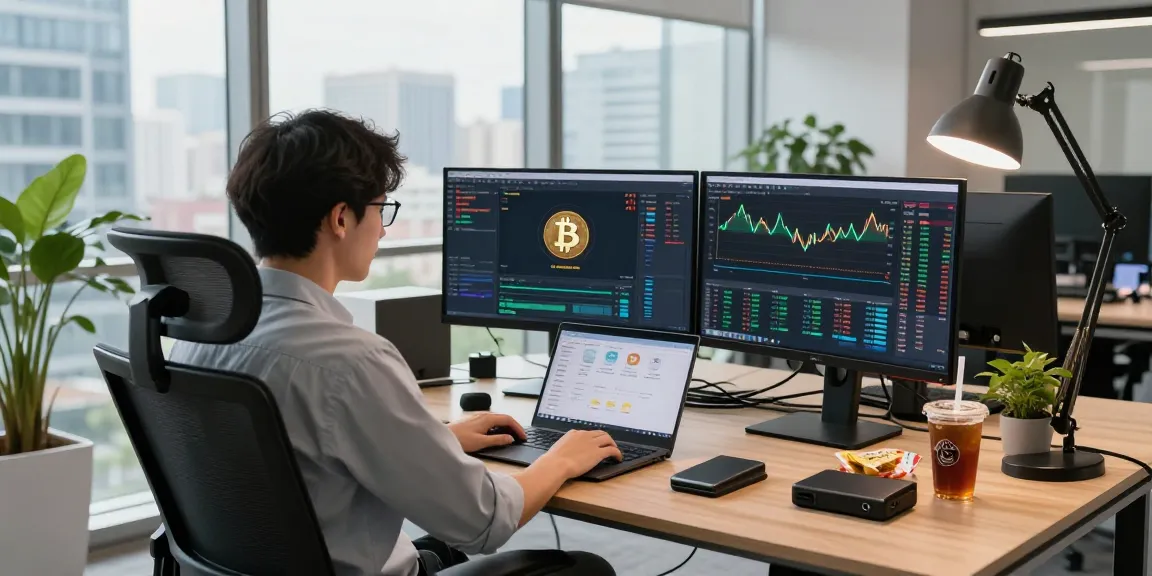
Understanding Bitcoin Mining Investment Basics
Bitcoin mining represents a fundamental component of the blockchain ecosystem. Using decentralized technology, it allows transactions to be processed and secured without needing intermediaries. Through the use of sophisticated algorithms and a network of nodes, Bitcoin miners validate transactions and ensure the integrity of the blockchain. As Bitcoin has grown significantly in popularity, so has interest in bitcoin mining investment, making it an enticing prospect for investors, especially those intrigued by blockchain innovation.
What is Bitcoin Mining and How Does It Work?
Bitcoin mining involves the use of computational resources to solve complex mathematical problems. These problems serve two purposes: to confirm transactions on the Bitcoin network and to generate new bitcoins. Each time a miner solves a problem, they create a new block, which is then added to the blockchain — a distributed ledger that records all Bitcoin transactions in an immutable and transparent manner. The process relies on a consensus mechanism known as Proof of Work (PoW), requiring miners to compete against one another to validate transactions and add them to the block.
The Role of Miners in the Blockchain Network
Miners play a pivotal role in maintaining the blockchain's security and integrity. As they validate transactions and secure the network by solving complex algorithms, they are rewarded with newly created bitcoins and transaction fees. This creates a dual incentive for miners: ensuring the system remains robust while also generating profit from their investments in hardware and energy consumption. Miners are vital in protecting the network against attacks and ensuring that the distributed ledger remains accurate and trustworthy.
Types of Bitcoin Mining: Solo vs. Pool Mining
There are two primary methods for mining Bitcoin: solo mining and pool mining. Solo mining involves an individual miner working independently to solve blocks and validate transactions, retaining all the rewards. While this method can yield substantial profits if successful, it also requires significant computational power and results may be infrequent. On the other hand, pool mining allows miners to join forces, combining their processing power to solve blocks collectively. Rewards are shared among participants based on their contributed computational power, providing a more consistent income stream, although with the downside of shared profits.
Evaluating the Profitability of Bitcoin Mining
Understanding the profitability of Bitcoin mining is essential before committing resources to this venture. Several factors contribute to the assessment of mining as a viable investment opportunity in a rapidly changing market, including the costs involved and prevailing Bitcoin market conditions.
Factors Influencing Mining Profitability
Profitability is primarily influenced by Bitcoin's market price, mining difficulty, energy costs, and hardware efficiency. When the price of Bitcoin rises significantly, the viability of mining often increases proportionately. However, the more miners that enter the space, the higher the mining difficulty rises, which can offset potential gains. Additionally, those with access to cheap electricity or efficient mining rigs have a distinct advantage in maintaining profitability.
Cost Analysis: Hardware, Electricity, and Maintenance
The expenditures associated with Bitcoin mining can be substantial. Initial costs include the purchase of high-performance ASIC miners, which are designed explicitly for the PoW consensus and can be quite expensive. Beyond hardware costs, electricity consumption can dramatically affect overall profitability due to its direct impact on mining operational costs. Finally, ongoing maintenance, including repairs and software updates, is vital for ensuring continuous operation and optimal performance.
Understanding Bitcoin Halving and Its Impact
Bitcoin halving occurs approximately every four years and serves to reduce the reward for mining new blocks by half. This mechanism is built into the Bitcoin protocol to control inflation and simulate scarcity. As the rewards decrease, mining becomes less profitable unless Bitcoin prices rise to compensate for the reduced rewards. Historically, halving events have had a profound effect on Bitcoin's price trajectory, often leading to significant market rallies in anticipation of decreased supply.
Security Best Practices for Bitcoin Mining Investments
Investing in Bitcoin mining involves not just understanding the financial aspects, but also a critical focus on security. Protecting your mining setup from cyber threats is imperative for the longevity and profitability of your operation.
Protecting Your Mining Setup: Hardware and Software Security
Miners should implement robust security measures for their hardware and software systems. This includes regularly updating mining software to close vulnerabilities, using firewalls, and ensuring that physical access to mining rigs is restricted. Network security is also crucial; employing VPNs and secure protocols can help safeguard against potential intrusions.
Importance of Secure Wallets for Bitcoin Storage
Storing mined Bitcoin securely is equally important. Selecting a reliable wallet type—whether hot or cold storage—will affect accessibility and security of funds. Cold wallets, such as hardware wallets, offer offline storage that significantly decreases exposure to hacking, while hot wallets facilitate ease of access for transactions at the cost of heightened risk. Diversifying storage methods is a strategic approach to mitigate risk.
Common Scams and How to Avoid Them in Bitcoin Mining
The cryptocurrency space is unfortunately rife with scams, and Bitcoin miners are not exempt from such threats. It is essential to be aware of common scams such as phishing attacks, where malicious actors attempt to steal personal information, and Ponzi schemes that promise unrealistic returns. Conducting thorough due diligence by verifying project legitimacy, community reputation, and escrow services can help minimize exposure to fraud.
Advanced Strategies for Successful Bitcoin Mining
As the mining landscape evolves, adopting advanced strategies can provide miners with competitive advantages and enhance profitability. Exploring cloud mining services and selecting appropriate hardware can play crucial roles in this process.
Leveraging Cloud Mining Services
Cloud mining allows individuals to rent mining power from remote data centers instead of investing in expensive hardware. This model can reduce the initial setup costs associated with mining while enabling participants to benefit from mining cryptocurrencies without managing the physical equipment. However, potential miners must carefully verify the reputation of these services to avoid scams and poor performance.
Using ASIC Miners vs. Consumer Hardware
Choosing the right hardware is critical for profitability. ASIC miners are specifically designed for Bitcoin mining, offering superior efficiency compared to consumer-grade hardware such as GPUs. However, the high upfront cost of ASICs must be justified against the expected return on investment. For those on a tighter budget, a detailed cost-benefit analysis can inform decisions on whether to pursue ASIC solutions or continue with existing consumer-grade options.
Integrating Renewable Energy Solutions for Mining
As concerns over the environmental impact of Bitcoin mining grow, integrating renewable energy sources can offer both a competitive edge and contribute positively to sustainability efforts within the cryptocurrency ecosystem. Utilizing solar, wind, or hydroelectric power can lower electricity costs while minimizing carbon footprints, appealing to environmentally conscious investors.
The Future of Bitcoin Mining Investment in 2026
Looking ahead, numerous trends and changes loom on the horizon, potentially affecting the landscape of Bitcoin mining investment. Understanding these emerging factors is essential for positioning oneself advantageously within this dynamic sector.
Emerging Trends in Bitcoin Mining Technology
Advancements in mining technology are continuously evolving. Innovations such as more efficient ASIC miners, novel cooling systems, and software optimizations are likely to improve the viability and profitability of mining operations. Understanding and adopting these technologies can help miners stay competitive in the ever-shifting environment.
Regulatory Changes Impacting Bitcoin Mining
The increasing scrutiny of cryptocurrencies from regulators around the world will undoubtedly affect the future of Bitcoin mining. Understanding international regulatory frameworks, including the SEC’s evolving stance on cryptocurrencies and useful frameworks like MiCA in the EU, will enable miners to better navigate compliance, operational limitations, and potential opportunities.
Preparing for the Next Bitcoin Bull Market: Strategies and Insights
As history suggests, Bitcoin typically follows a cyclical pattern of bull and bear markets. Positioning oneself effectively for the next bull run entails strategic planning regarding mining operations, potential hardware upgrades, and financial analysis of investment risks. Anticipating market sentiment and aligning investments accordingly may provide signals for entry points and diversification tactics.
FAQs on Bitcoin Mining Investment
Is Bitcoin mining still a profitable investment in 2026?
Profitability in Bitcoin mining can vary based on numerous factors, such as market conditions, energy costs, and mining technology. Miners needing to continually assess their operations and market trends will be well-positioned to gauge potential profitability.
What legal considerations should I know before mining Bitcoin?
Miners should ensure compliance with local regulations regarding cryptocurrency operations, tax liabilities, and reporting requirements. Due diligence in understanding the legal landscape is pivotal before commencing mining activities.
How do I calculate my potential returns from Bitcoin mining?
Potential returns can be calculated by factoring in mining efficiency, Bitcoin’s current market price, electricity costs, and operational expenses. Using profitability calculators can assist in forming a more precise estimate of returns on investment.
What equipment do I need to start mining Bitcoin?
To begin mining Bitcoin, one needs specialized hardware such as ASIC miners, a solid power supply, mining software, and a secure wallet for managing the mined Bitcoins.
Can I mine Bitcoin using my home computer?
Mining Bitcoin with a standard home computer is no longer practical due to the popularity of ASIC miners that dominate the field. The challenges of mining with consumer hardware include significantly slower processing speeds and low efficiency, resulting in minimal returns when compared with ASIC-based mining operations.