Understanding the Concept of Senior Malls
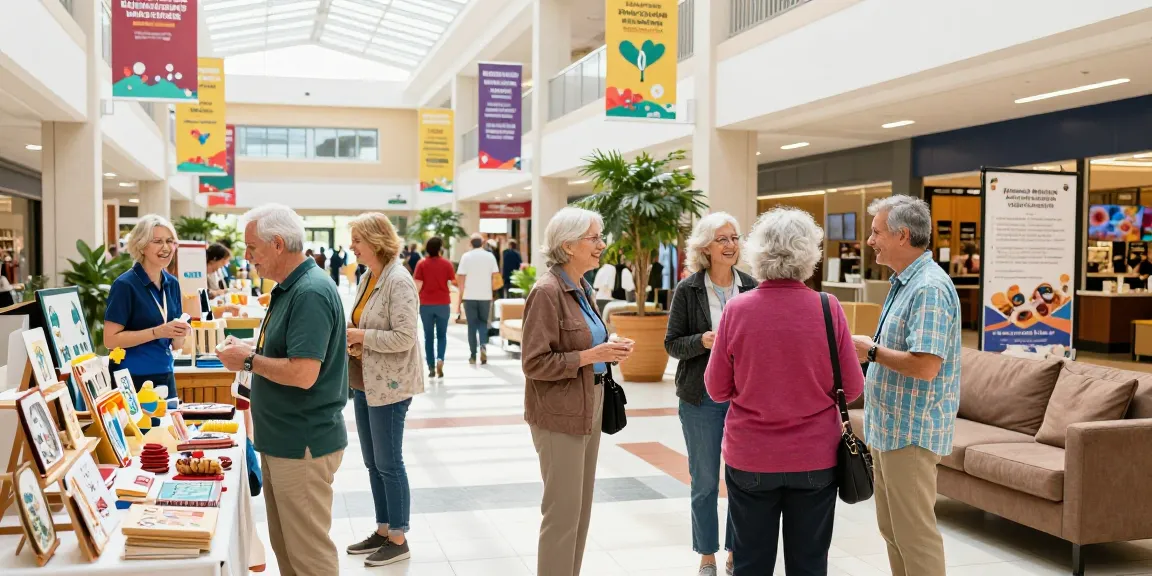
Senior malls are a growing trend designed specifically to cater to the needs and preferences of the aging population. These establishments serve as not just shopping venues, but as vibrant community spaces that foster social interaction, health and well-being, and lifelong learning. With an increasing number of seniors looking for ways to remain active and engaged as they age, the concept of a Senior Mall has emerged as a promising solution, offering tailored services and activities that appeal to this demographic.
What is a Senior Mall?
A senior mall is specifically designed to address the unique needs of individuals aged 50 and older. Unlike traditional malls, which focus primarily on retail, senior malls integrate various services, activities, and resources that promote health, wellness, and community engagement. These spaces often combine shopping options with amenities such as fitness centers, art studios, educational workshops, and social gathering areas. The goal is to create an environment that encourages seniors to socialize, learn, and maintain an active lifestyle.
Key Features and Services Offered
Senior malls typically provide a diverse range of services and features, including:
- Fitness and Wellness Programs: Many senior malls offer exercise classes tailored for older adults, promoting health and physical activity.
- Health Services: Convenient access to health screenings, nutrition counseling, and wellness workshops are often available.
- Community Events: Regular social events, classes, and workshops create opportunities for seniors to connect.
- Accessibility Features: Design elements such as wider walkways, seating areas, and easy access to restrooms make it easier for seniors to navigate the space.
The Importance of Community Spaces
Community spaces within senior malls play a critical role in combating loneliness and isolation among older adults. These settings provide a safe and welcoming environment where seniors can gather, share experiences, and forge friendships. Engaging in group activities not only enhances mental health but also fosters a sense of belonging that many seniors seek as they transition into later life.
Benefits of Senior Malls for Aging Populations
As the population of seniors continues to grow, recognizing the benefits of senior malls becomes increasingly important. These spaces provide several advantages that specifically address the challenges faced by older adults.
Fostering Social Connections and Reducing Isolation
One of the most significant benefits of senior malls is their ability to foster social connections. Many older adults experience feelings of isolation, which can lead to depression and other health issues. Senior malls offer numerous opportunities for social interaction through classes, events, and communal spaces, allowing individuals to connect over shared interests and experiences.
Health and Wellness Activities Available
Health is a priority for seniors, and senior malls cater to this need by providing various wellness programs. These often include:
- Exercise Classes: Tailored activities such as yoga, tai chi, and aquatics designed to improve strength and flexibility.
- Health Screenings: Regularly scheduled checks for blood pressure, cholesterol, and other health markers.
- Nutrition Workshops: Education on healthy eating tailored to the dietary needs of seniors.
Accessibility and Safety Considerations in Design
Designing senior malls with accessibility in mind is essential. Features such as ramps, elevators, and adequate seating areas ensure that older adults can navigate the space safely and comfortably. Furthermore, proper lighting and clear signage enhance the user experience, making it easier for seniors to move around and participate in activities without fear of injury.
Popular Activities and Programs at Senior Malls
Senior malls are not only about shopping; they also provide a variety of activities and programs that enrich the lives of their visitors.
Daily Classes and Workshops
Many senior malls host daily classes and workshops ranging from arts and crafts to technology training. These sessions allow seniors to explore new hobbies, learn new skills, and express their creativity—all while building relationships with peers.
Health Screenings and Educational Seminars
Regular health screenings and seminars on topics relevant to seniors, such as medication management, chronic disease prevention, and mental health, are commonly available. These resources empower seniors to take charge of their health and make informed decisions.
Community Events and Social Gatherings
Community events such as movie nights, holiday celebrations, and themed social gatherings create a sense of community among seniors. These events are vital in maintaining social connections and enhancing emotional well-being.
How to Choose the Right Senior Mall for Your Needs
Choosing the right senior mall involves careful consideration of various factors that affect your lifestyle and preferences.
Evaluating Available Amenities and Services
When assessing potential senior malls, review the amenities and services they offer. Look for locations that align with your interests, whether that be fitness classes, arts programs, or social events. The range of offerings can significantly impact your overall experience.
Understanding Transportation and Accessibility Options
Accessible transportation options are crucial for seniors who may not drive. Investigate public transport availability, shuttle services, or partnerships with local ride-sharing companies, ensuring you can easily reach the mall and participate in activities.
Finding Local Senior Mall Reviews and Recommendations
Research online for reviews of senior malls in your area. Websites dedicated to senior living or community resources can provide insights into the experiences of other seniors, helping you make an informed decision.
Future Trends for Senior Malls in 2026 and Beyond
As society continues to evolve, so too will the concept of senior malls. Understanding emerging trends can help seniors and their families anticipate changes in these community hubs.
Technological Innovations Enhancing the Experience
In 2026, technology will likely play an even larger role in enhancing the senior mall experience. Innovations such as virtual reality classes, mobile apps for scheduling activities, and online communities will provide additional ways for seniors to engage with one another and access resources.
Emerging Health and Wellness Trends
With an ongoing focus on holistic health, future senior malls may feature more integrative health services. This could involve partnerships with local health organizations to provide alternative therapies, mindfulness classes, and enhanced nutritional offerings.
Community Integration and Support Systems
As senior malls evolve, they will likely become increasingly integrated with local communities, providing support systems that extend beyond the mall's walls. Collaborations with local organizations, businesses, and healthcare providers will enhance the services offered and promote a united approach to senior wellness.
What age qualifies for a Senior Mall?
Typically, individuals aged 50 and above are considered eligible for senior mall services, although some locations may welcome younger seniors or caregivers.
Are Senior Malls accessible for those with mobility issues?
Yes, most senior malls are designed with accessibility in mind, incorporating ramps, elevators, and spacious layouts to accommodate those with mobility challenges.
What types of activities are commonly found in Senior Malls?
Activities vary widely but often include fitness classes, educational workshops, arts and crafts, health screenings, and social gatherings.
How do Senior Malls foster community among seniors?
Senior malls provide a shared space for seniors to engage in activities, form friendships, and participate in regular events, fostering a vibrant community atmosphere.
What is the difference between a Senior Mall and a traditional mall?
The primary difference lies in the focus; senior malls offer tailored programs, services, and accessibility features specifically designed for older adults, while traditional malls center around retail and entertainment.