Understanding the Basics of Plastic Lamination
Plastic lamination is a versatile process widely used in various industries to enhance the durability and appearance of materials. This technique involves bonding a layer of plastic over paper or other substrates, offering both functional and aesthetic benefits. When exploring options, cách bóc giấy ép plastic không rách giấy provides comprehensive insights into this essential craft, ensuring you can effectively laminate while minimizing damage.
What is Plastic Lamination?
Plastic lamination is the process of covering a base material—commonly paper, cardboard, or fabric—with a thin layer of plastic film. The lamination adds strength, water resistance, and longevity to the document or artwork, making it ideal for applications where durability is crucial. The lamination process can be performed using heat (thermal lamination), pressure (pressure-sensitive lamination), or a combination of both methods.
Benefits of Using Plastic Lamination
- Protection: Laminated materials are resistant to moisture, dirt, and wear and tear, making them suitable for high-traffic environments.
- Enhanced Appearance: Lamination enhances colors and clarity, giving printed materials a polished and professional look.
- Longevity: Documents and artwork that are laminated can last significantly longer than their non-laminated counterparts.
- Ease of Cleaning: The smooth surface of laminated materials can easily be wiped clean, ideal for menus, maps, and educational materials.
Choosing the Right Materials for Successful Lamination
Selecting the appropriate materials is fundamental to successful lamination. The base material should be compatible with the type of laminate being used—whether it's thermal or pressure-sensitive. Additionally, consider the thickness of the laminate, which can range from 1.5 mils to 10 mils or more, depending on the intended use. Thicker laminates generally offer better durability but may not be suitable for all applications.
Essential Tools for Effective Lamination
To achieve the best results in your lamination projects, it’s essential to have the right tools at your disposal. A high-quality laminating machine and appropriate laminating pouches are crucial, but other tools can enhance your lamination experience.
Recommended Tools for Crafting and Lamination
- Laminating Machine: A reliable laminator that suits your volume and thickness needs.
- Laminating Pouches: Ensure you choose the right size and thickness based on your project requirements.
- Cutter or Paper Trimmer: For trimming laminated edges to achieve clean finishes.
- Bone Folder or Squeegee: Useful for smoothing out air bubbles and creases during the lamination process.
How to Maintain Your Lamination Tools
Regular maintenance of your lamination tools is essential for ensuring they remain in optimal working condition. Clean your laminating machine according to the manufacturer's guidelines, ensuring that you remove any adhesive build-up. Store laminating pouches in a cool, dry place to prevent warping. Regularly check the blades of your cutter and replace them as necessary for clean, precise cuts.
Safety Tips When Working with Laminates
When working with laminates, safety should always be a priority. Here are some essential tips to keep in mind:
- Always follow the manufacturer's instructions for your laminating machine.
- Use caution with sharp tools when cutting laminated materials.
- Avoid placing your hands near hot surfaces of the laminating machine to prevent burns.
Step-by-Step Techniques for Peeling Plastic Laminate
Peeling plastic laminate can be a delicate process, and knowing the right techniques can help you achieve excellent results without damaging your project. This section will guide you through the essentials of effective peeling.
Preparing Your Workspace for Success
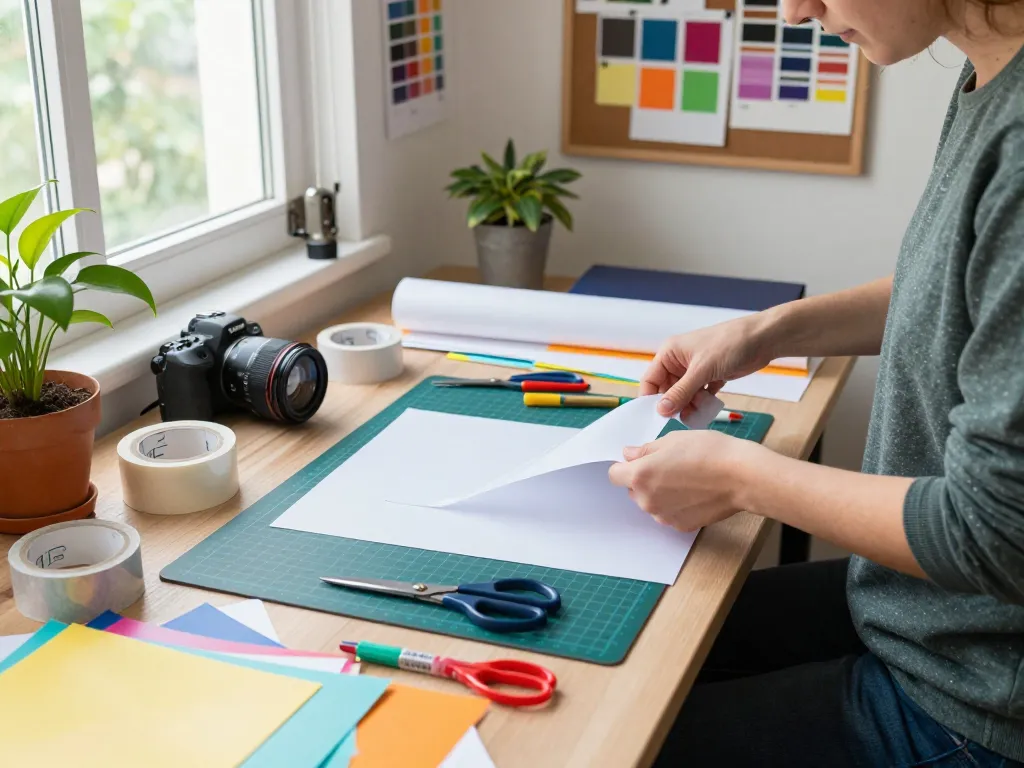
Begin by setting up a clean, well-lit workspace. Ensure that you have all necessary tools within reach, including your laminating machine, cutter, and any crafting supplies. A clutter-free environment will allow you to focus on the task at hand and minimize the risk of errors.
Expert Tricks for Avoiding Tears and Damage
One of the main concerns when peeling plastic laminates is preventing tears and damage. Here are some expert tricks to ensure a successful peeling process:
- Start at a corner and gently lift the laminate away from the base material.
- Apply consistent pressure as you peel to avoid sudden pulls that could cause tears.
- If you encounter resistance, stop and reposition rather than forcing the laminate off.
Common Mistakes to Avoid During the Process
While laminating projects can be straightforward, several common mistakes can lead to mishaps. Avoid these pitfalls:
- Using the wrong laminate thickness for your project.
- Not allowing laminated items to cool completely before handling.
- Peeling away from the base material rather than towards it.
Real-World Applications of Laminated Projects
The versatility of plastic lamination opens doors to countless real-world applications. From protecting important documents to enhancing artistic creations, the possibilities are vast.
Creative Projects to Try with Laminates
- Personalized bookmarks
- Custom menus for restaurants
- Educational flashcards for teachers
- Photo albums
Case Studies of Successful Lamination in Action
Examining case studies can provide insight into how different industries effectively use laminates. For instance, many businesses laminate marketing materials like brochures and posters to ensure they remain vibrant and intact even in outdoor settings.
How to Incorporate Laminates into Your Crafts
Crafters can get creative with laminates by integrating them into scrapbooking, card-making, and various DIY projects. Laminating elements like photographs or artwork can not only preserve them but also add an exciting dimension to your crafts.
Future Trends in Lamination Techniques
As we look towards the future, the lamination industry is poised for exciting innovations. Understanding these trends can help you stay ahead in your crafting and business endeavors.
Innovations in Laminating Technology for 2026
Advancements in laminating technology are anticipated to improve efficiency and quality. Hybrid laminators that can switch between thermal and pressure-sensitive methods on demand may become mainstream, catering to diverse materials and applications.
How Eco-Friendly Materials are Changing the Industry
As sustainability becomes a priority, the lamination industry is seeing an increase in eco-friendly materials. Biodegradable laminates and recyclable options are emerging, aligning with consumers’ growing preferences for sustainable products.
Expert Insights on the Future of Crafting with Lamination
Experts predict that crafting with laminates will expand as new technologies allow for more creative applications. From customizable laminating solutions to on-demand printing and laminating services, the future of lamination holds great promise for crafters and professionals alike.
What tools do I need for cách bóc giấy ép plastic không rách giấy?
Essential tools include a reliable laminating machine, quality laminating pouches, and cutting tools. Depending on your specific project, other tools like bone folders or squeegees can help enhance the quality of your work.
Can I laminate different types of paper?
Yes, most laminating pouches are compatible with various types of paper, including glossy, matte, and textured finishes. It's always best to check the manufacturer's guidelines to ensure compatibility.
What are the benefits of using plastic lamination?
Plastic lamination provides numerous benefits, including enhanced durability, moisture resistance, and a professional finish. It's an excellent choice for protecting important documents and improving the longevity of items.
How do I avoid tearing when peeling laminate?
To avoid tearing, peel the laminate slowly, starting from a corner, and apply even pressure while working your way across the material. If you encounter resistance, attempt to reposition rather than forcing it.