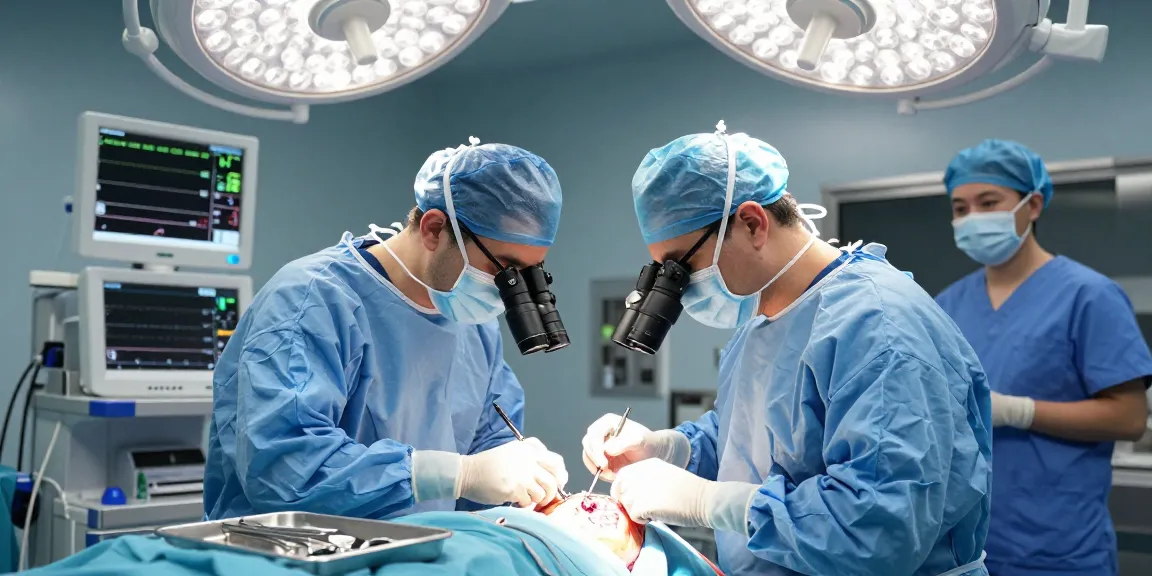
Understanding Beyin Ameliyatı: Types and Techniques
Beyin ameliyatı, or brain surgery, is a specialized medical intervention utilized to address various serious neurological conditions. These conditions include brain tumors, hemorrhages, and traumatic injuries that can pose life-threatening risks. With advancements in medical technology, the approaches to performing these surgeries have evolved significantly over time. Understanding the intricacies associated with beyin ameliyatı is essential for patients, caregivers, and healthcare professionals alike. Beyin ameliyatı encompasses a range of procedures tailored to individual patient needs, emphasizing the importance of personalized care in neurosurgery.
What is Beyin Ameliyatı?
Beyin ameliyatı refers to the surgical procedures performed on the brain to treat various conditions such as tumors, vascular malformations, and trauma. Surgeons use several techniques to ensure the safest outcomes for each patient. The goal of these surgeries is typically to remove abnormal tissue, alleviate pressure, or repair damaged areas within the brain.
Common Types of Brain Surgeries
- Brain Tumor Surgery: Involves removing tumors from the brain, which may require complex decisions on how to access the growth while preserving vital brain function.
- Endoscopic Surgery: A less invasive method that uses an endoscope to access areas of the brain through natural openings, reducing recovery time.
- Awake Craniotomy: A specialized procedure where the patient is awake during the surgery, allowing real-time monitoring of brain functions.
- Hemorrhage Surgery: Procedures such as decompressive craniectomy, where part of the skull is removed to relieve pressure from bleeding.
- Subdural Hematoma Surgery: Focuses on removing accumulated blood between the brain and its outer covering when an injury causes bleeding.
Innovative Techniques in Neurosurgery
The field of neurosurgery is continuously evolving, emphasizing minimally invasive techniques. Advances such as intraoperative imaging and robotic surgery systems are improving precision during procedures. Furthermore, the integration of functional MRI and neuronavigation allows surgeons to map out brain functions, significantly reducing risks to cognitive abilities during surgery.
Preparing for Beyin Ameliyatı: What to Expect
Preparation for beyin ameliyatı is critical and involves several steps to ensure patient safety and optimize surgical outcomes. Preoperative assessments include thorough medical evaluations and discussions regarding surgical objectives, risks, and expected recovery pathways.
Preoperative Assessments and Consultations
Before undertaking brain surgery, patients will undergo a comprehensive assessment, including neurological exams, imaging studies, and consultations with neurosurgeons. These evaluations help determine the exact nature of the condition and the most appropriate surgical approach.
Understanding Risks and Benefits
Every surgical procedure carries inherent risks, including infection, neurological deficits, and complications from anesthesia. Patients should engage in a candid discussion with their healthcare team to understand the specific risks associated with their particular surgery, balanced against the potential benefits of the operation.
Psychological Preparation for Surgery
The psychological aspect of preparing for brain surgery is often overlooked. Patients may feel anxious or fearful about the operation. Engaging in pre-surgery counseling or support groups can provide emotional support and equip patients with coping strategies for the surgery and recovery process.
The Surgery Process: From Start to Finish
On the day of surgery, patients will be guided through a series of steps designed to ensure safety and efficiency throughout the procedure. Understanding this process can help alleviate patient anxiety surrounding the unknown.
Step-by-Step Procedure of Beyin Ameliyatı
The surgery typically begins with the administration of anesthesia, followed by the surgical team making an incision in the scalp. Depending on the type of procedure, the neurosurgeon will maneuver through the skull to access the brain. After the necessary repairs or removals are made, the team will carefully close the incision, ensuring thorough monitoring during recovery.
Role of Advanced Technology in Surgery
Modern brain surgeries increasingly rely on technology to enhance outcomes. High-resolution imaging, navigation systems, and intraoperative tools provide neurosurgeons with valuable data, allowing them to perform intricate procedures with higher precision than ever before.
Monitoring and Anesthesia Considerations
Throughout the surgery, patients are continuously monitored for vital signs and neurological function. Anesthesia teams play a crucial role in ensuring that patients are stable and comfortable, working to manage any potential complications that may arise during the procedure.
Post-Operative Care: Recovery and Rehabilitation
Following beyin ameliyatı, the pathway to recovery is closely monitored by medical staff. Post-operative care is just as crucial as the surgery itself, as it sets the stage for long-term recovery and rehabilitation.
Initial Recovery in the Hospital
Patients will typically spend several days in the hospital following surgery. During this time, medical professionals monitor for symptoms of complications, such as bleeding or infection, and provide pain management. Rehabilitation services may also be initiated during this stage to assist with mobility and cognitive functioning.
Long-Term Rehabilitation Patient Journey
Long-term recovery can vary significantly between individuals, depending on factors such as the type of surgery, the area of the brain affected, and the patient’s overall health. Many patients will require extensive rehabilitation programs that may include physical therapy, occupational therapy, and neuropsychological support.
Common Challenges and How to Overcome Them
Patients may encounter various challenges during their recovery, including fatigue, cognitive difficulties, and emotional changes. Engaging in counseling, support groups, and structured rehabilitation can help address these challenges, promoting a successful recovery experience.
Future of Neurosurgery: Trends and Predictions for 2026
As we look toward the future of neurosurgery, several trends and advancements are anticipated to shape the field significantly. Innovations in technology and patient care approaches will likely redefine how beyin ameliyatı is conducted and experienced.
Emerging Technologies in Beyin Ameliyatı
With the rapid development of technologies such as artificial intelligence, machine learning, and more sophisticated imaging techniques, the precision of brain surgeries is expected to improve dramatically. These technologies may enhance surgical planning and execution, leading to better outcomes for patients.
Patient-Centric Approaches to Care
The future of neurosurgery will increasingly focus on patient-centered care. This approach emphasizes collaboration between patients and healthcare providers, where shared decision-making and patient education become integral components of the surgical experience.
Anticipated Improvements in Surgical Outcomes
With ongoing research and technological advancements, it is anticipated that surgical outcomes will continue to improve, with reduced complications and faster recovery times. This will fundamentally alter the long-term prognosis for individuals requiring brain surgery.
Frequently Asked Questions
What are the risks associated with Beyin Ameliyatı?
As with any surgical procedure, there are risks, including infection, neurological complications, and the need for revision surgeries. A detailed discussion with the medical team can help in understanding specific risks.
How long does recovery from Beyin Ameliyatı take?
Recovery time varies widely based on the type and complexity of the surgery, but most patients can expect a gradual return to normal activities over several weeks to months.
What advancements can patients expect by 2026?
By 2026, patients can expect significant advancements in surgical techniques, patient management, and rehabilitation approaches, resulting in enhanced care and outcomes.
Are there non-invasive options for brain surgery?
Yes, non-invasive methods like focused ultrasound and stereotactic radiosurgery are gaining traction as effective treatment options for specific neurological conditions.
What role does patient education play in the procedure?
Patient education is vital to the surgical process, empowering individuals to make informed decisions and actively participate in their care journey.. Additionally, Beyin ameliyatı provides further details.