Understanding AI Image Variations
In an era where visual content reigns supreme, the ability to manipulate and enhance images has transformed the creative landscape. Enter AI image variations—a groundbreaking concept that enables users to change specific elements within their photographs without altering the overall composition. This innovative technique not only saves time but also opens up endless creative possibilities, making it an essential tool for photographers, designers, and marketers alike. When exploring options, AI image variations provide comprehensive insights into how you can revitalize your images with minimal effort.
What Are AI Image Variations?
AI image variations refer to the process of using artificial intelligence to create different renditions of a single image, whereby one specific aspect of the photograph is altered while the rest remains unchanged. This process can involve various types of modifications, such as changing colors, swapping objects, or adjusting backgrounds. By utilizing algorithms trained on vast datasets of images, AI tools can intelligently generate these variations in a matter of seconds.
The Technology Behind AI Image Variations
At the core of AI image variation tools lies advanced machine learning algorithms, specifically deep learning techniques that analyze patterns and features within images. These algorithms include convolutional neural networks (CNNs), which excel at image processing tasks. The training data consists of thousands, if not millions, of images annotated with different attributes, allowing the AI to learn how to identify and manipulate specific elements effectively. This ability to discern and reconstruct images is what sets AI image variations apart from traditional editing methods.
Common Applications in Creative Fields
AI image variations have found their niche across various creative domains. Here are some common applications:
- Photography: Photographers can elevate their portfolios by quickly producing seasonal variations of existing shots, such as changing a summer scene to a winter backdrop.
- Marketing: Brands often need multiple versions of product images to cater to different platforms and audiences. AI tools can streamline this process significantly.
- Graphic Design: Designers can experiment with color schemes and layouts without starting from scratch, vastly improving productivity.
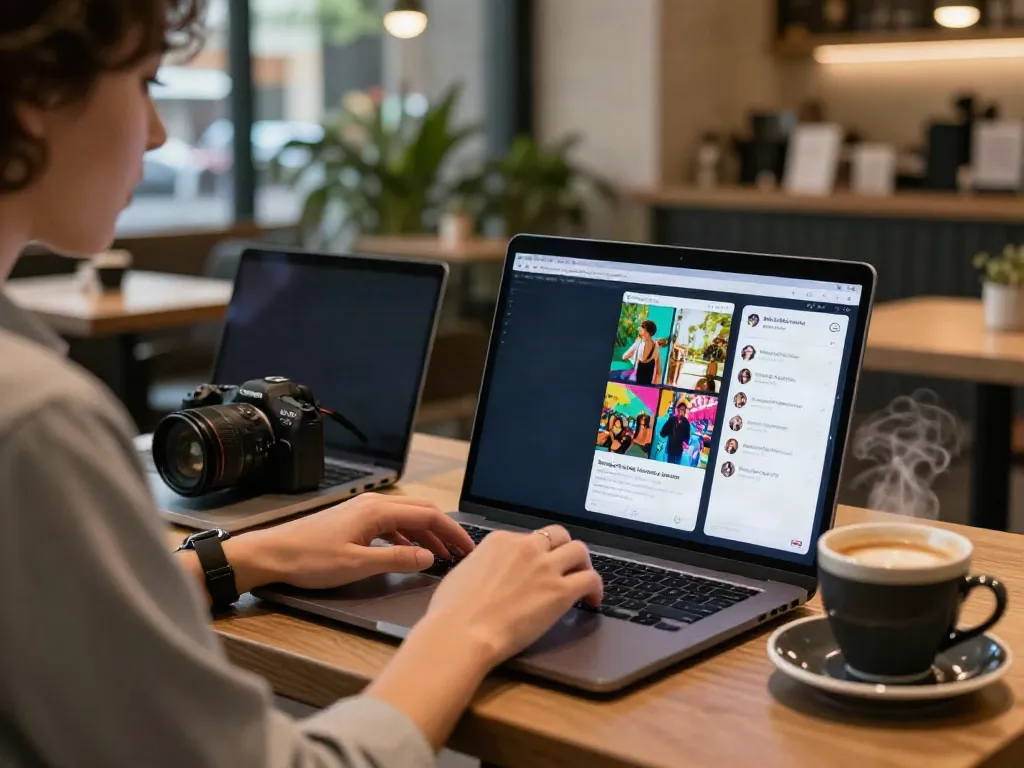
- Social Media: Users can create engaging content by modifying personal photos to fit trends or seasonal themes, enhancing their online presence.
Enhancing Creative Workflows with AI
The introduction of AI image variations has the potential to radically enhance creative workflows. By leveraging these tools, professionals can achieve faster turnaround times while maintaining high standards of quality.
Streamlining Image Editing Processes
Traditionally, editing an image required a meticulous approach involving various software tools, layers, and masks. With AI image variation tools, the process is simplified to a few commands. Creatives can upload an image, specify the desired change (or leave it blank for automatic suggestions), and receive a new variation in minutes. This efficiency reduces the burden of repetitive tasks, allowing creatives to focus on the bigger picture.
Inspiring New Ideas and Perspectives
Innovation often stems from experimentation. AI image variations encourage users to think outside the box by presenting them with new interpretations of their work. For instance, an artist may upload a painting and receive variations with different color palettes or styles, sparking new creative directions and ideas. This process fosters an environment where exploration and inspiration can thrive.
Reducing Time on Repetitive Tasks
Repetitive editing tasks can be time-consuming and tedious. AI image variations automate these processes, which frees up valuable time for creatives to engage in more meaningful work. Instead of spending hours adjusting images one by one, tools that offer AI-driven variations allow users to make bulk changes efficiently. This advantage is particularly beneficial for agencies and businesses that manage large volumes of visual content.
Best Practices for Using AI Image Variations
To maximize the effectiveness of AI image variation tools, users should adopt certain best practices. Understanding how to use these tools effectively can help ensure optimal results.
Setting Clear Instructions for Optimal Results
When providing prompts for AI image variations, clarity is key. Ambiguous instructions may lead to unexpected results. Users should be specific about what they want to change. For example, instead of saying “make it better,” specifying “change the bag color to red” will yield far more satisfactory results.
Understanding Limitations of AI Tools
While AI image variation tools are powerful, they do have limitations. Users should understand that these tools may struggle with complex requests or nuanced changes. For detailed edits, traditional methods may still be necessary. Additionally, various AI algorithms might be tailored to specific scenarios, meaning that results can vary from tool to tool.
Combining AI Variations with Traditional Editing
Integrating AI image variations with traditional editing techniques can yield the best results. After generating an initial variation through AI, users can apply traditional editing methods to tweak minor elements, enhancing the final output. This hybrid approach harnesses the strengths of both methods for superior outcomes.
Real-World Examples of AI Image Variations
The practical benefits of AI image variations can be illustrated through real-world use cases. Here are a couple of compelling examples:
Case Study: Successful Campaigns Using AI Variations
A global beverage company recently harnessed AI image variations to create a series of marketing materials. By changing the colors of product labels and backgrounds, they were able to produce multiple advertising visuals in a fraction of the time it would ordinarily take. This not only accelerated their marketing campaign but also allowed for rapid testing of various aesthetics to determine which resonated best with consumers.
Client Feedback and Results Analysis
Feedback from clients who adopted AI image variation tools has been overwhelmingly positive. Many report enhanced productivity and satisfaction with the creative process, highlighting how the tools have streamlined their workflows. The ability to generate multiple variations quickly has allowed them to keep pace with rising consumer demands for fresh and engaging content.
Visual Storytelling Through AI Enhancements
Visual storytelling is at the heart of impactful marketing. AI image variations enhance this concept by enabling brands to tell their stories more dynamically. For instance, a travel company can show a single destination across different seasons, illustrating its beauty year-round and appealing to diverse customer preferences. Each variation serves as a unique narrative thread that connects consumers to the brand’s offerings.
The Future of AI Image Variations
The landscape of AI image variations is continuously evolving. As technology advances, we can expect significant changes and improvements in this domain.
Predicted Trends and Innovations for 2026
By 2026, we anticipate that AI image variations will become even more sophisticated, with enhanced algorithms capable of more intricate modifications. Machine learning models may evolve to include generative adversarial networks (GANs), which could offer even richer and more diverse image outputs based on user inputs. Additionally, integration with augmented reality (AR) and virtual reality (VR) technologies could revolutionize how users interact with and utilize these variations.
Emerging Technologies Impacting AI Variations
Emerging technologies like quantum computing could significantly expedite the processing power for AI tasks, resulting in quicker and more complex image variations. As computational capabilities improve, researchers will find novel ways to use AI in visual media, expanding the boundaries of what’s possible with image variations.
Preparing for Changes in Creative Landscape
As AI image variations become more prevalent, it's essential for creatives to adapt. This means staying informed about emerging technologies and continuously learning how to harness AI tools effectively. Embracing this shift will not only enhance individual workflows but also keep artists and professionals competitive in an ever-changing industry.
What are the different styles of AI images?
AI can create a myriad of styles, ranging from realistic to abstract. Tools may offer variations that mimic famous artists' techniques, adjust brightness and contrast, or completely alter color schemes. The key lies in matching the image style with the intended message or audience preference.
How can I use AI to create variations of an image?
Using AI to create image variations is typically straightforward. Users can upload an image to an AI tool, specify what they would like to change, and submit their request. The AI will generate the altered image based on the provided criteria. Experimentation with different prompts can lead to surprising and innovative results.
Is there an AI that can modify images?
Yes, numerous AI applications and online tools exist specifically for modifying images, including but not limited to changing colors, swapping items, and enhancing backgrounds. Each tool varies in functionality and effectiveness, so it's worthwhile to test different options to find the best fit for your needs.
What are the advantages of using AI for image editing?
AI image editing offers several advantages, including speed, precision, and accessibility. Users can generate high-quality variations quickly without extensive design knowledge, making it ideal for both professionals and amateurs. Furthermore, AI can facilitate creativity by providing unexpected options, inspiring new concepts and designs.
How to maintain image quality when using AI variations?
Maintaining image quality during AI variations requires careful selection of tools and parameters. Users should start with high-resolution images and choose AI platforms known for their quality outputs. Additionally, they can perform post-AI editing to refine details if necessary, ensuring that the final result meets their standards.