Understanding the Video to Prompt Conversion Process
In the rapidly evolving landscape of artificial intelligence, video content creation has taken center stage, with tools that streamline the process becoming essential for creators. One such innovative solution is the video to prompt converter, which translates video content into descriptive text, effectively allowing creators to harness the power of AI in generating cinematic footage. This process not only saves time but also enhances creativity by providing the necessary foundation to recreate or adapt video styles easily. At the forefront of this technology is video to prompt converter, which opens new avenues for artists, marketers, and educators alike.
What is a Video to Prompt Converter?
A video to prompt converter is an advanced tool that analyzes video content and transforms it into written prompts, which can be used as script inputs for AI-generated video platforms. This technology breaks down the visual elements of a video into specific details such as actions, settings, objects, and even camera movements. By processing every frame and pixel, it ensures that the resulting prompts are not only accurate but also optimized for various AI models, allowing users to create high-quality video content efficiently.
Benefits of Using Video Prompts in AI
Utilizing video prompts in AI-driven environments offers multiple benefits:
- Enhanced Creativity: By using prompts derived from existing videos, creators can explore new concepts without starting from scratch.
- Time Efficiency: Quickly generate descriptive text that can be used to create AI videos, significantly reducing the time spent on brainstorming and scripting.
- Targeted Optimization: The ability to tailor prompts for specific AI models, such as Sora, Veo, or Kling, ensures that outputs meet distinct stylistic and technical requirements.
- Learning Tool: Analyzing prompts derived from successful videos can serve as an educational resource, helping creators improve their skills by understanding what makes specific content engaging.
How VideoPrompt.fun Streamlines Your Workflow
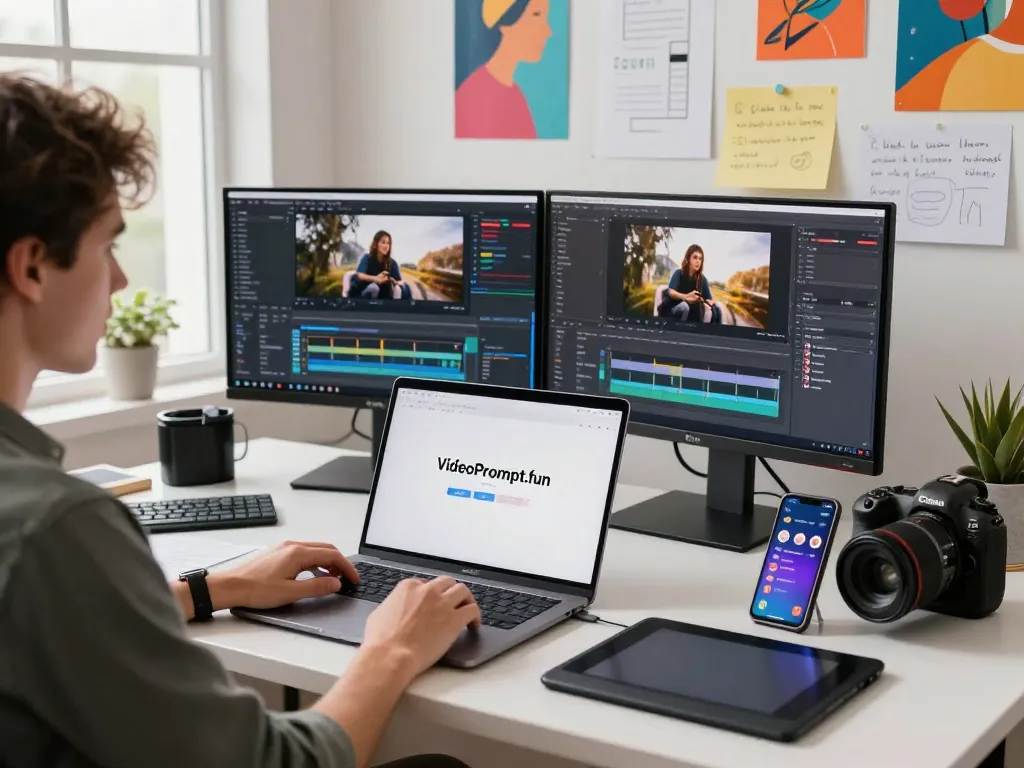
VideoPrompt.fun simplifies the video to prompt conversion process through its intuitive interface, allowing users to upload videos or images effortlessly. With just three easy steps, creators can unlock the underlying prompts behind their favorite video styles, providing a robust support system for both amateur and professional content creators. This streamlined approach enables users to focus on their creativity while the tool handles the technical details.
Choosing the Right AI Model for Your Needs
Selecting the appropriate AI model is crucial for achieving optimal results when generating video content from prompts. Each model has its unique strengths and weaknesses, making it essential to understand how they differ to better meet your creative goals.
Overview of Supported AI Models: Sora, Veo, Kling
VideoPrompt.fun supports multiple advanced AI models, including:
- Sora: Ideal for narrative-driven prompts, Sora excels in generating dialogues and character interactions, making it perfect for cinematic storytelling.
- Veo: Specializing in physical accuracy with high temporal consistency, Veo is designed for capturing motion effectively, suitable for dynamic scenes.
- Kling: Known for its physically accurate and textured rendering, Kling is particularly useful for creating visually stunning and detailed video outputs.
Key Features of Each Model for Optimal Performance
Understanding the key features of each model will help users to harness their capabilities effectively:
- Sora: Features include advanced narrative generation, allowing creators to build compelling stories.
- Veo: Offers cinematic generation in 1080p+, maintaining high-quality visuals even during complex motion sequences.
- Kling: Provides technical camera controls and physical realism, enhancing the believability of generated videos.
Case Studies: Success Stories Using Specific Models
Several creators have successfully utilized VideoPrompt.fun to enhance their projects. For example, a filmmaker used Sora to generate character dialogues for a short film, leading to engaging storytelling that captivated their audience. In another case, a gaming company employed Veo to create promotional trailers that showcased high-action gameplay, ultimately increasing viewer engagement and sales.
Step-by-Step Guide to Converting Video to Prompt
To maximize the effectiveness of the video to prompt conversion process, following a structured approach is crucial. This section will guide you through each step.
Preparing Your Video for Upload
Before you begin the conversion process, ensure that your video is in one of the supported formats, such as MP4, MOV, or WEBM, and does not exceed 25MB in size. High-quality videos with clear visuals and audio content will yield better prompts.
Utilizing the VideoPrompt.fun Interface
The user-friendly interface at VideoPrompt.fun allows for seamless uploads. Simply drag and drop your video file into the designated area, select your target AI model, and hit submit. The system will then start analyzing your video and generate the corresponding prompts.
Interpreting the Generated Prompts
Once the prompts are generated, you'll receive a detailed report that outlines various aspects of your video, including key actions, descriptions, and camera movements. Understanding this data will help you recreate or innovate upon existing styles effectively.
Advanced Techniques for Maximizing AI Video Creation
To truly benefit from video to prompt conversion, consider employing these advanced techniques.
Creating Custom Prompts for Unique Styles
While standardized prompts can be useful, creating custom prompts that reflect your unique vision can elevate your projects. Use the analysis report as a baseline and tweak the descriptions to match your creative intent.
Integrating Feedback into Your Creative Process
After generating videos based on prompts, seek feedback from peers and audiences to identify what works and what doesn't. Use this feedback to refine future prompts and enhance your creative output continually.
Leveraging User Data for Continuous Improvement
Utilize insights gained from previous projects to inform new prompt generation. Data-driven approaches can significantly increase the likelihood of creating successful video content and overall viewer engagement.
Future Trends in Video to Prompt Technology
The landscape of AI video generation is constantly evolving, with new technologies emerging regularly. Understanding these trends will keep creators ahead of the game.
Emerging AI Technologies for Video Analysis
As AI continues to advance, expect enhancements in video analysis capabilities. Future tools may incorporate machine learning algorithms that adapt over time, improving their accuracy in generating prompts from diverse video types.
Predictions for 2026 and Beyond in AI Video Creation
By 2026, AI video generation technologies are likely to become even more sophisticated, offering features like real-time prompt generation and enhanced integration with VR and AR platforms, further revolutionizing video content creation.
How to Stay Ahead in the Evolving Landscape of Video Prompting
To remain competitive, creators must stay informed about emerging technologies and trends in the industry. Regularly engaging with the community and participating in workshops or webinars can provide valuable insights into optimizing your creative processes.
How to Optimize Video for Better Prompt Generation?
Optimize your videos for better prompt generation by focusing on clarity and composition. Ensure that the main subjects are well-lit and the actions are clearly defined to help the AI analyze the content effectively.
What Types of Videos Work Best for Prompt Conversion?
Videos that tell a story or showcase distinct actions tend to work best for prompt conversion. Travel vlogs, tutorials, and short films are excellent examples where visual storytelling can be broken down into actionable prompts.
Can I Use VideoPrompt.fun for Image to Prompt Conversion?
Yes! VideoPrompt.fun also supports image to prompt conversion, allowing digital artists to upload reference images. The AI analyzes artistic elements, enabling the creation of descriptive prompts that can be used for generating variations or maintaining a consistent style across projects.
What Privacy Measures Are in Place for Uploaded Videos?
VideoPrompt.fun prioritizes user privacy, ensuring that uploaded videos are not stored or used for training purposes. This commitment to confidentiality allows users to create and experiment with peace of mind.
Is VideoPrompt.fun Truly a Free Service?
Absolutely! VideoPrompt.fun is a free tool designed to democratize access to high-quality AI analysis tools, allowing creators from all backgrounds to benefit from advanced video to prompt conversion technology.